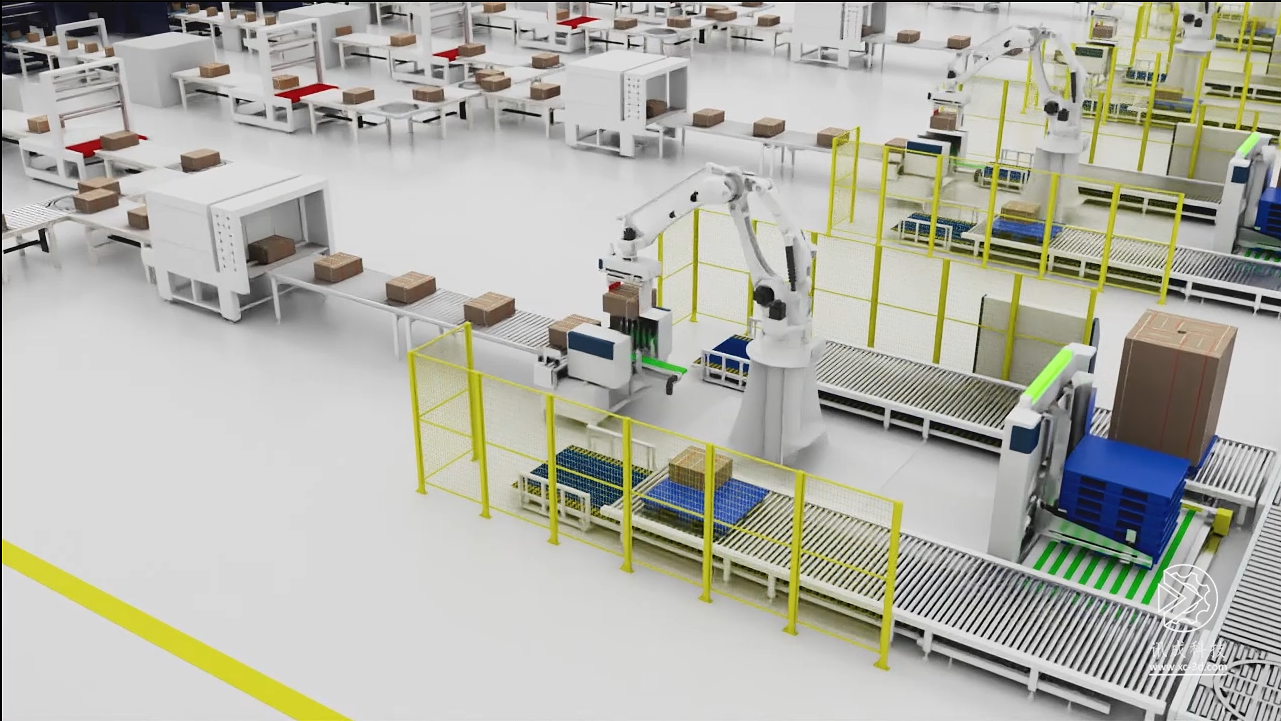
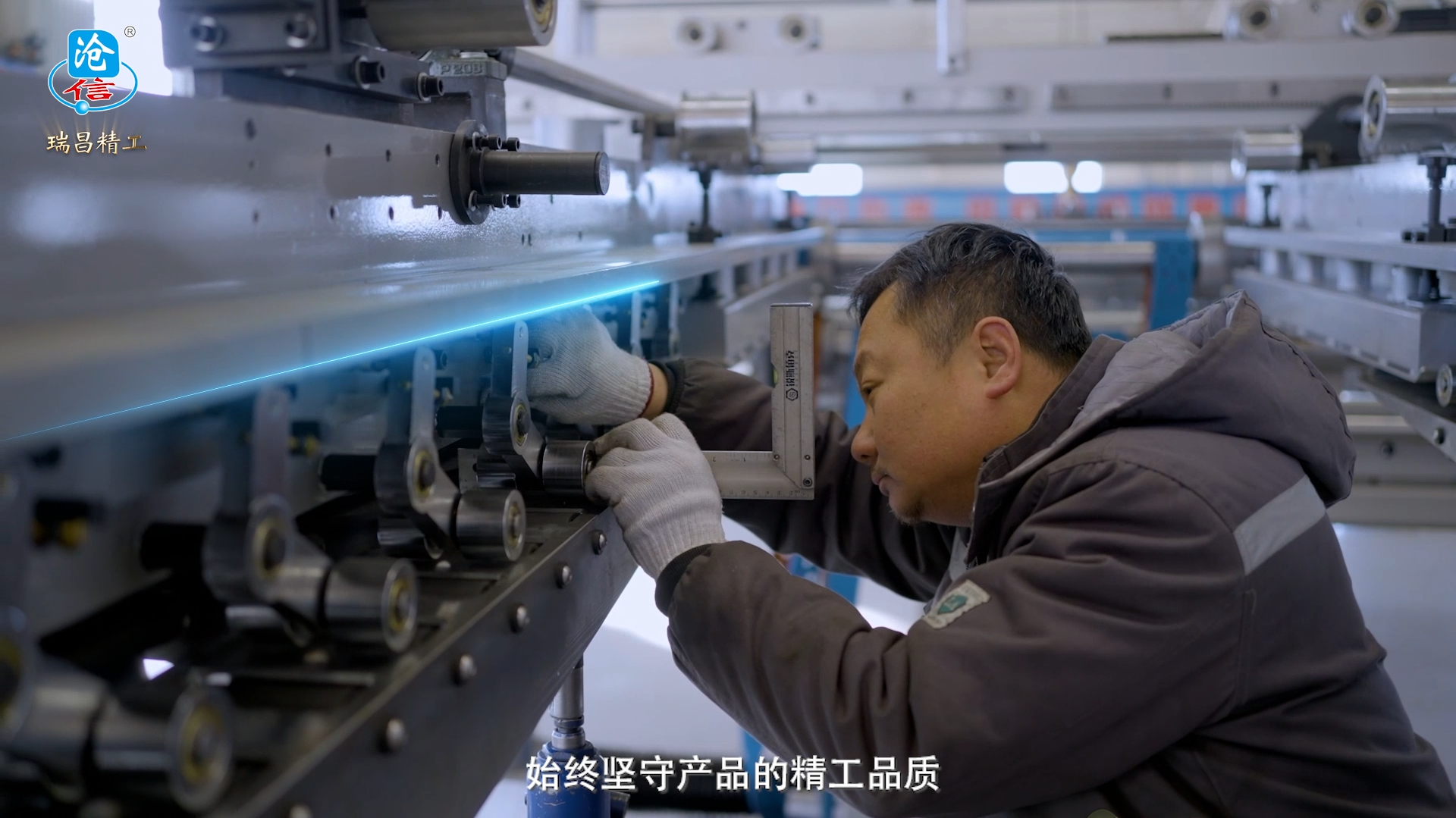
In today's increasingly competitive printing industry, the operational efficiency of inkjet printers directly impacts a company's production benefits and market competitiveness. Traditional operation and maintenance methods for inkjet printers often rely on the experience of technicians. This model not only requires a long training period but also leads to bottlenecks in efficiency improvement. However, with the in-depth application of 3D animation technology in the field of inkjet printers, a practical and effective solution for improving efficiency is being promoted in the industry, achieving remarkable results.
Visual Training Breaks Skill Barriers
Inkjet printers are precision equipment, and their operation and debugging require professional knowledge and rich experience. Under traditional training methods, new employees often need several months to operate the equipment independently. The introduction of 3D animation technology has completely changed this situation. Through precise visualization of the equipment structure and demonstration of working principles, operators can establish a complete understanding of the equipment in a short period.
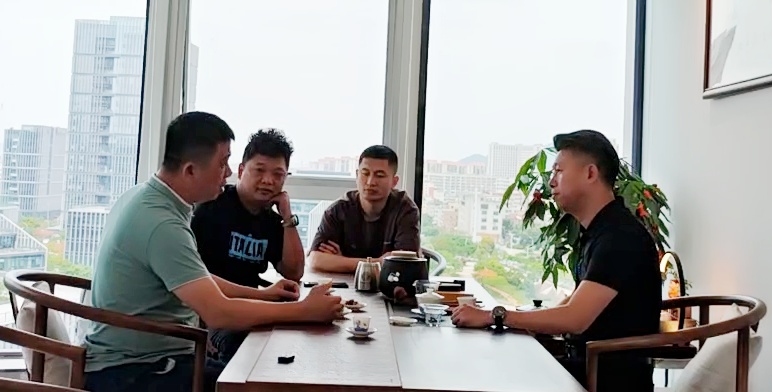
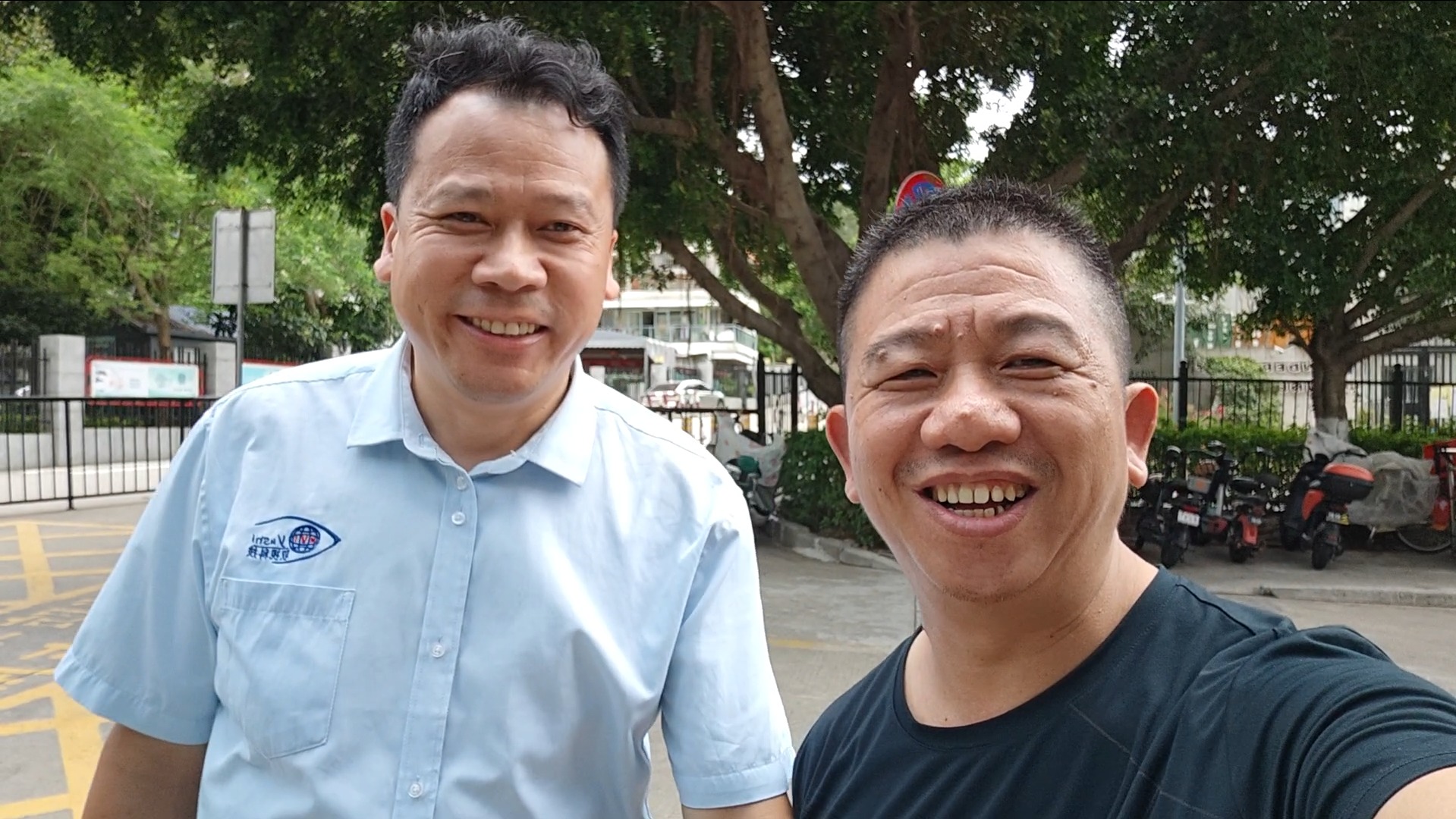
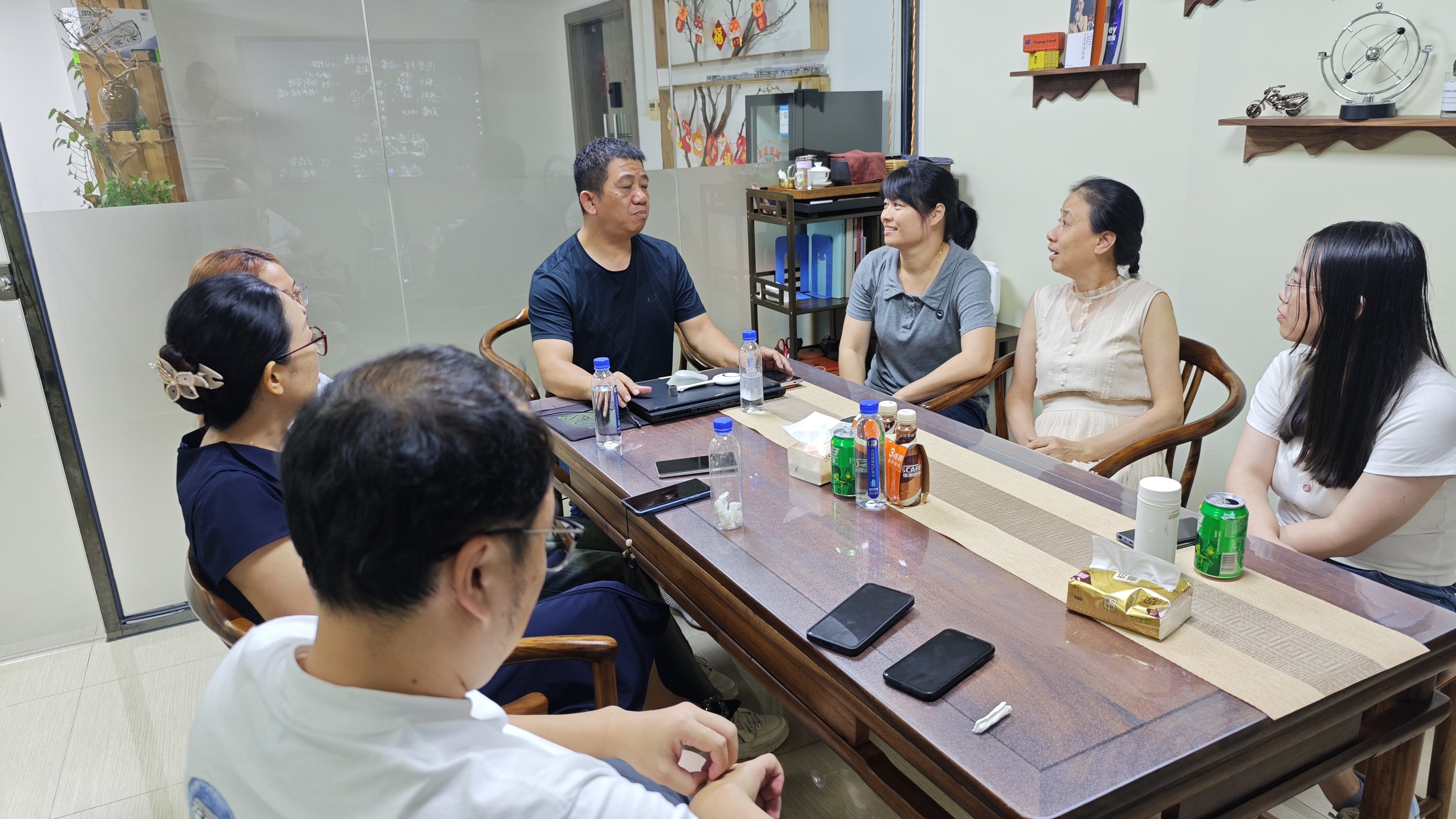
The practice of Guangdong Toprint Intelligent Machinery Technology Co., Ltd. confirms the effectiveness of this method. The company's 3D operation animations for its inkjet printers transform complex equipment structures and operational processes into intuitive visual content. Operators who learn through animation not only master standard operating procedures but also gain a deeper understanding of the equipment's operating principles. This in-depth understanding enables operators to better anticipate and resolve issues in their actual work, thereby significantly improving equipment operational efficiency.
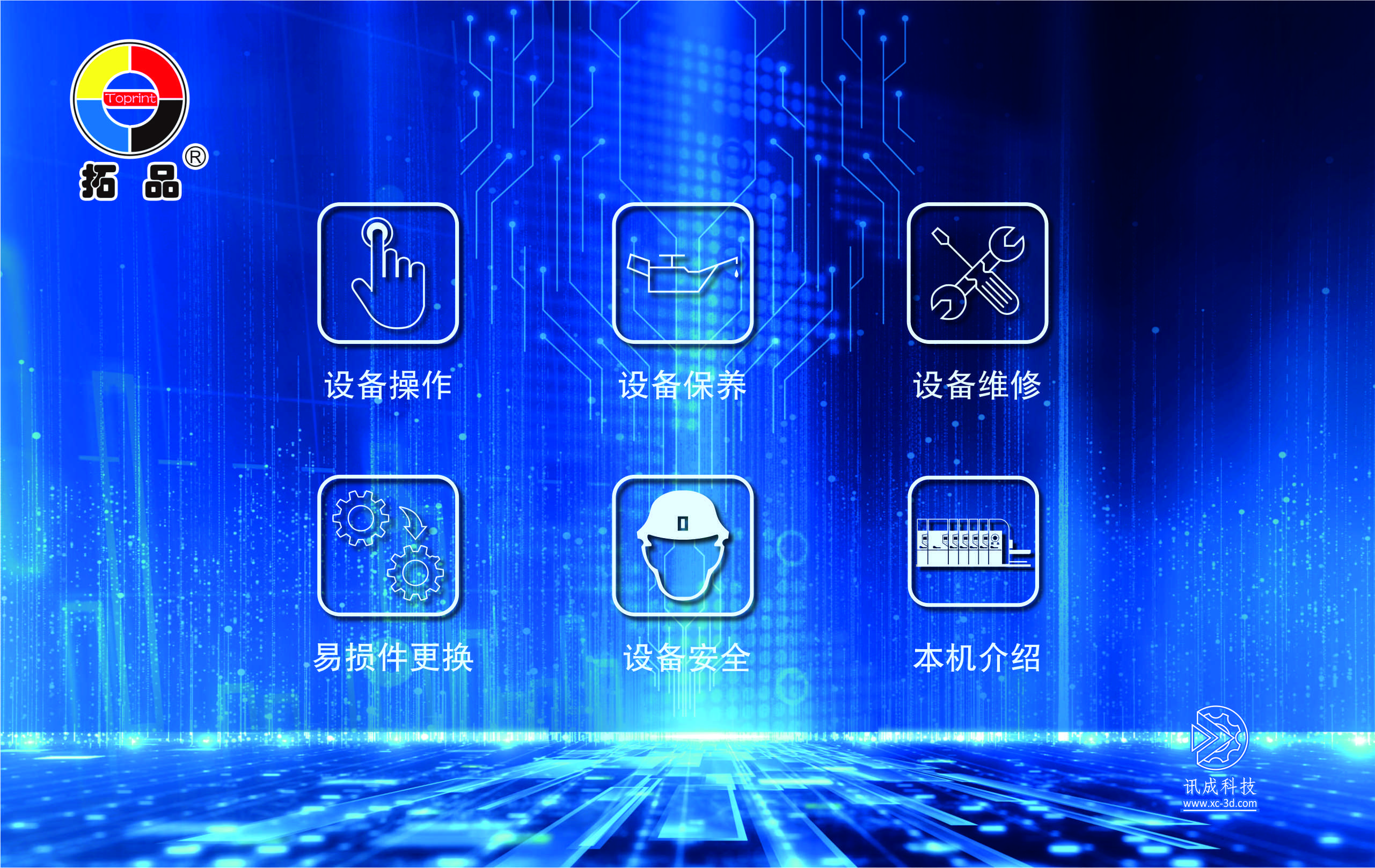
Preventive Maintenance Reduces Downtime
Equipment downtime is one of the main factors affecting production efficiency. 3D animation technology helps operators establish a scientific equipment maintenance system through visualized maintenance guidance. From daily upkeep to regular maintenance, each step has corresponding animation guidance, ensuring the standardization and timeliness of maintenance work.
Specifically, 3D animation can clearly demonstrate the key inspection points and maintenance standards for critical components of inkjet printers. Through animation demonstrations, operators can accurately grasp the timing and methods of maintenance, effectively preventing equipment failures. This preventive maintenance model not only reduces the probability of sudden equipment failures but also extends the equipment's service life. Actual data shows that enterprises adopting this maintenance method have seen a comprehensive equipment utilization rate increase of over 30%.
Remote Collaboration Accelerates Problem Solving
When complex equipment failures occur, traditional methods often require waiting for professional technicians to arrive, leading to extended downtime. The application of 3D animation technology makes remote collaborative maintenance possible. On-site operators can access relevant fault troubleshooting animations via mobile devices while communicating with remote experts in real-time, greatly accelerating the speed of problem resolution.
Repair animations produced by Ruichang Jinggong highlight their advantages in practical applications. On one hand, they break through geographical limitations, allowing for better utilization of expert resources. On the other hand, they shorten the average repair time by more than 40%. More importantly, this collaborative model continuously enriches the company's knowledge base, as each resolved fault case is converted into new animation material, providing reference for future troubleshooting.

Standardized Operation Improves Operational Efficiency
The operational efficiency of inkjet printers largely depends on the degree of standardization in operation. 3D animation technology helps operators of varying skill levels perform tasks according to uniform standards by translating best practices into visual operating standards. This standardization not only improves operational consistency but also optimizes the entire production process.
In practice, 3D animation can detail the standard actions, time requirements, and quality points for each operational step. By repeatedly watching and learning, operators can continuously optimize their operational methods, gradually improving efficiency and accuracy. This mechanism of continuous improvement ensures steady progress in equipment operational efficiency.
Innovative Platform for Continuous Improvement
3D animation technology not only addresses current production efficiency issues but also provides an innovative platform for continuous improvement. Each efficiency improvement practice case can be summarized and shared in animation form, allowing successful experiences to be quickly disseminated within the organization. This knowledge-sharing mechanism accelerates the improvement of the overall technical level of the enterprise.
More importantly, this platform is continuously accumulating and enriching. As practical cases increase, the company's knowledge base becomes more comprehensive, and its problem-solving capabilities grow stronger. This capacity for continuous evolution ensures that the company can maintain a competitive edge in the field of inkjet printing technology.
Through the comprehensive application of 3D animation technology, the operational efficiency of inkjet printers has indeed seen significant improvements. The practicality of this method is reflected not only in specific technical aspects but also in its establishment of a sustainable efficiency improvement mechanism for enterprises. As technology continues to develop and its applications deepen, this method is expected to reveal even greater value potential.
Featured FAQs:
Q: What are the application areas of industrial animation?
A: Industrial animation is widely used in machinery and equipment, energy and transportation, home appliances, building security, bridges and tunnels, and after-sales services such as product operation, usage, and maintenance. Application scenarios of industrial animation include: exhibition demonstrations, product sales, new plant planning, after-sales service, engineering bidding, achievement reporting, education and training, advertising marketing, equipment maintenance, etc.
Q: What types of equipment (products) are suitable for producing 3D animation videos?
A: Almost all equipment is suitable for producing 3D animation videos (complex mechanical products, electronic products, automotive products, building and real estate products, medical products, FMCG), especially the following three:
1. New product and model promotion: When promoting new products and models, 3D animation videos can most directly and fully showcase product highlights, resonate with customers, and help sales teams quickly enter the market.
2. Foreign trade sales: The primary challenge in foreign trade sales is communication with international clients, especially regarding the translation and explanation of technical terms. 3D animation videos allow foreign clients to quickly understand equipment highlights, paving the way for further in-depth communication.
3. Featured models for exhibitions: Every exhibition is a significant investment for companies in terms of promotion budgets. For large machinery or industrial products, 3D animation demonstrations not only visually and intuitively showcase product highlights but can also allow exhibitors to avoid bringing machinery or industrial products to less critical exhibitions, greatly saving exhibition costs.
Q: When is it suitable for companies to produce 3D animation?
A: The following three time points are more suitable for producing promotional 3D animation:
1. Before exhibitions. It is best to have the animation video ready 15-30 days in advance to build anticipation for the exhibition;
2. New products and equipment are about to be launched into the market;
3. Important client visits and exchanges.
4. Product R&D phase: To facilitate cross-departmental communication and collaboration within the enterprise; to help attract investment or cooperation opportunities; to simulate design issues in advance, reducing R&D costs and risks;
5. Internal training phase.
It should be noted that 3D animation videos have a certain production cycle, so it is best to communicate with the production company in advance to arrange the production schedule reasonably.
About Xuncheng Technology
Founded in 2016, with 9 years of professional experience in industrial 3D animation creation, serving diverse clients including startup teams, overseas clients, listed companies, and foreign enterprises. Specializes in 3D animation creation for mechanical equipment, high-tech industries, software development, foreign trade companies, etc. Provides one-stop industrial 3D animation creative services from product sales to after-sales maintenance.
Provided nearly 3000 minutes of professional animation videos for over 200 manufacturing enterprises.
Whether at exhibition sites or visiting clients; whether expanding into overseas markets or improving after-sales service, we firmly believe that through the power of design, complex products and machinery can be presented in stunning 3D animation. This not only brings a unique visual experience to clients but also quickly impresses them.