In the corrugated cardboard box equipment manufacturing industry, with intensifying market competition and accelerating technological iteration, 3D industrial animation is gradually becoming a key force driving industry development. It presents equipment characteristics in an intuitive and vivid manner, bringing new opportunities and changes to the industry. The following will explore its development trends in this industry.
I. Visualization Upgrade of Product Display and Marketing
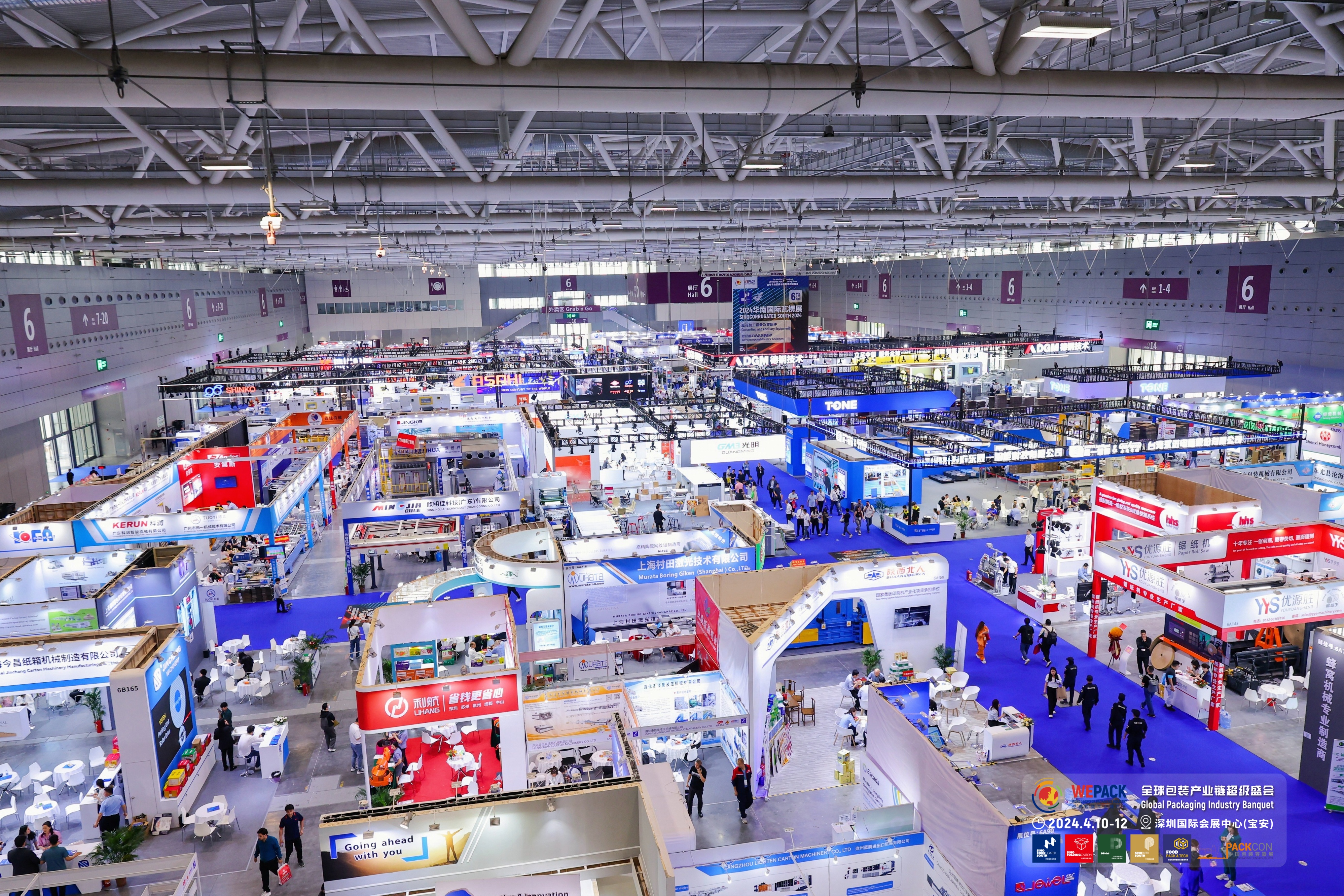
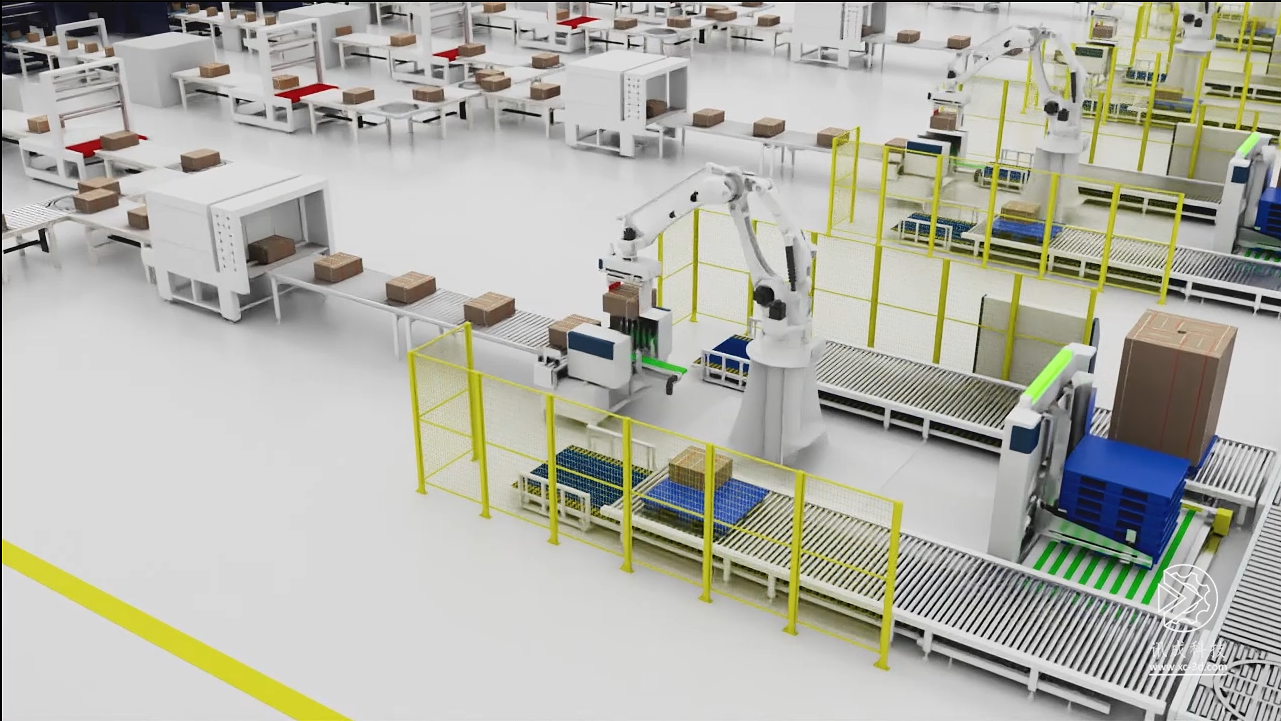
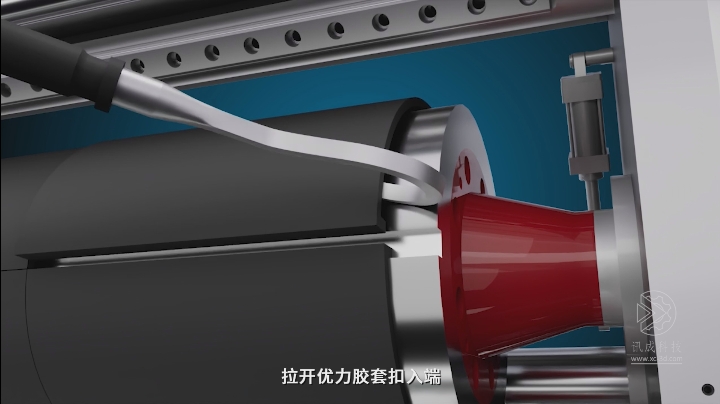
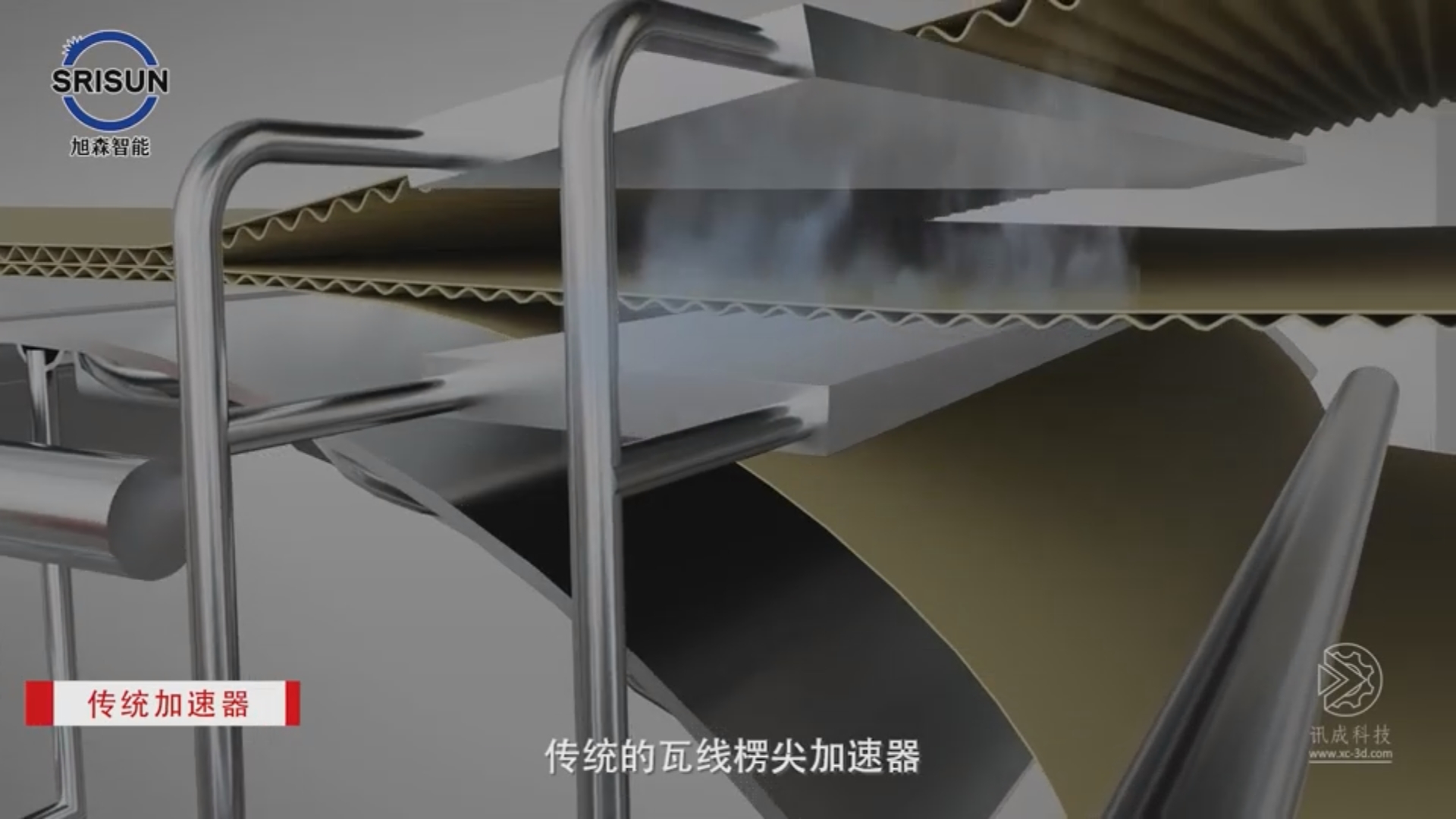
Traditional promotional materials for corrugated cardboard box equipment are mostly pictures and text, making it difficult to fully display the complex structure and working principles of the equipment. 3D industrial animation can present the appearance, internal structure, and operating processes of the equipment in a comprehensive way. For example, Xiamen Xuncheng can clearly show the forming process of corrugated cardboard through animation, including the conveying, heating, pressing, and gluing of raw paper, allowing customers to intuitively understand the performance and advantages of the equipment. Dongguan Xusen Intelligent Technology Co., Ltd. used 3D industrial animation for display when participating in international exhibitions, attracting more customer attention and achieving a 20% year-on-year increase in orders. In the future, this visualized display method will become the mainstream for industry marketing, helping enterprises stand out in fierce market competition.
II. Auxiliary Research and Development and Innovative Design
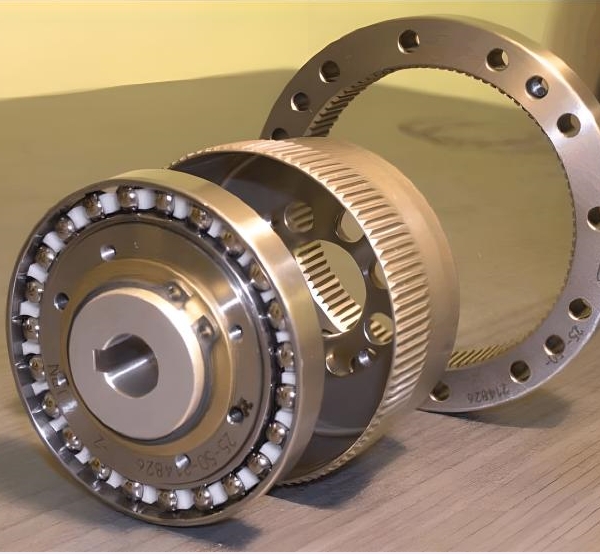
In the R&D process of corrugated cardboard box equipment, 3D industrial animation can be used to simulate different design schemes, identify potential problems early, and optimize them. Designers can use animation for dynamic analysis of the equipment's moving parts to evaluate its stability and reliability. For instance, when designing new corrugated rollers, animation can simulate the impact of different tooth shapes and arrangements on the quality of corrugated forming, thus selecting the optimal solution. Furthermore, animation can help R&D teams communicate and collaborate with other departments, improving R&D efficiency. As the industry's demands for equipment performance and innovation continue to rise, the role of 3D industrial animation in R&D support will become increasingly important.
III. Intelligent Training and After-Sales Support
For operators and maintenance personnel of corrugated cardboard box equipment, 3D industrial animation is an efficient training tool. It can vividly demonstrate how to quickly master the operation methods and maintenance key points of the equipment. For example, animation can detail the equipment's daily maintenance procedures and troubleshooting methods. In terms of after-sales support, companies can remotely transmit 3D animations to guide customers in equipment debugging and maintenance, reducing the cost and time of on-site services. After Guangdong Tuopin introduced its 3D industrial animation training and after-sales support system, operator training time was reduced by 30%, and equipment maintenance response time was significantly shortened. In the future, intelligent training and after-sales support will become important means for the industry to improve service quality.

IV. Integrated Development with Emerging Technologies
With the continuous development of technologies such as Virtual Reality (VR) and Augmented Reality (AR), the integration of 3D industrial animation with these emerging technologies will bring brand new experiences to the corrugated cardboard box equipment manufacturing industry. In the future, through VR technology, customers can immerse themselves in the equipment's operating environment and process; by using AR technology, maintenance personnel can overlay virtual repair guidance information onto actual equipment. This integration will further enhance the industry's level of digitalization and create more value for enterprises.
In summary, 3D industrial animation has broad development prospects in the corrugated cardboard box equipment manufacturing industry. It will play an important role in product display, R&D innovation, training, and after-sales services, and will continue to integrate with emerging technologies, driving the industry to a higher level.
Featured FAQs:
Q: What does the client need to prepare for animation video production?
A: For animation video production, the client needs to prepare the following materials:
1. 3D models of products or equipment (primary)
2. Video script (can be used for voiceover)
3. Company LOGO and company information (e.g., full company name, address, contact information, website, etc.)
4. Requirements and goals (determine theme and style, budget and duration, clarify key content)
5. Others (e.g., video storyboard, proprietary company intro/outro, etc.)
Q: Are animation videos expensive?
A: The price of animation videos varies greatly, mainly affected by production difficulty, duration, creative style, production cycle, and service content. On the surface, animation videos are not cheap, with prices mostly ranging from tens of thousands to hundreds of thousands, or even millions. However, for high-end promotional videos of industrial products and machinery, animation videos are very cost-effective.
1. Replaces traditional printed brochures, is intuitive and easy to understand, spreads quickly, and reduces reliance on experienced sales staff.
2. Animation videos have high quality, perfectly showcasing many details, unique functions, and structures, leading to deeper client engagement.
3. Animation videos can be made interactive, increasing customer engagement.
Q: What is the production cycle for animation videos?
A: The production cycle of animation videos is greatly affected by various factors:
1. Timeliness and completeness of materials provided by the client.
Materials to be provided by the client include: 3D models of products or equipment, video script, company LOGO and company information, etc.
2. Complexity of animated scenes and equipment. For example, demonstrating the internal structure of a car speeding on a tree-lined avenue is much more complex than a static display of a bicycle.
3. Timeliness and effectiveness of communication between both parties during the production process.
Under normal circumstances, ordinary 3D animation video production takes 15-20 days. For complex models or large scenes, it requires 30-60 days, or even longer.
About Xuncheng Technology
Founded in 2016, with 9 years of professional industrial 3D animation creation experience, serving clients across various types of enterprises including startups, overseas clients, listed companies, and foreign-funded enterprises. We specialize in providing 3D animation production for machinery and equipment, high-tech industries, software development, foreign trade companies, etc. We offer one-stop industrial 3D animation creative services from product sales to after-sales maintenance.
We have provided nearly 3000 minutes of professional animated videos for over 200 manufacturing enterprises.
Whether at exhibition sites or during client visits; whether expanding into overseas markets or improving after-sales service, we firmly believe that through the power of design, complex products and machinery can be presented with stunning 3D animations. This not only brings a unique visual experience to clients but also deeply impresses them.