
In the field of visual expression for industrial marketing, animation and live-action are not simple substitutes but rather distinct expressive tools. Improper choices can lead to resource waste and deviations in core message delivery. Establishing scientific selection criteria to precisely match the most suitable visual expression methods based on different marketing objectives and product characteristics is key to enhancing marketing effectiveness.
Selection Criteria Based on Information Complexity
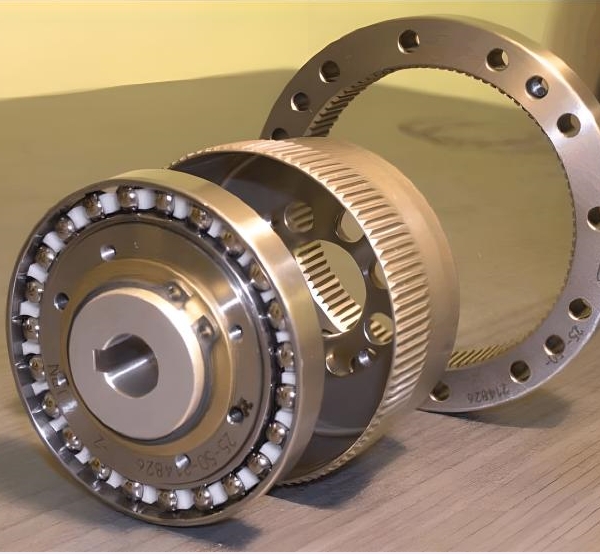
When there is a need to showcase internal equipment structures, operating principles, or abstract technical concepts, 3D animation demonstrates irreplaceable value. Live-action is limited by physical enclosures, making it difficult to intuitively present the precise internal structure and working state of equipment. Animation, with its inherent "perspective ability," can transform hidden technical value into visible visual evidence.
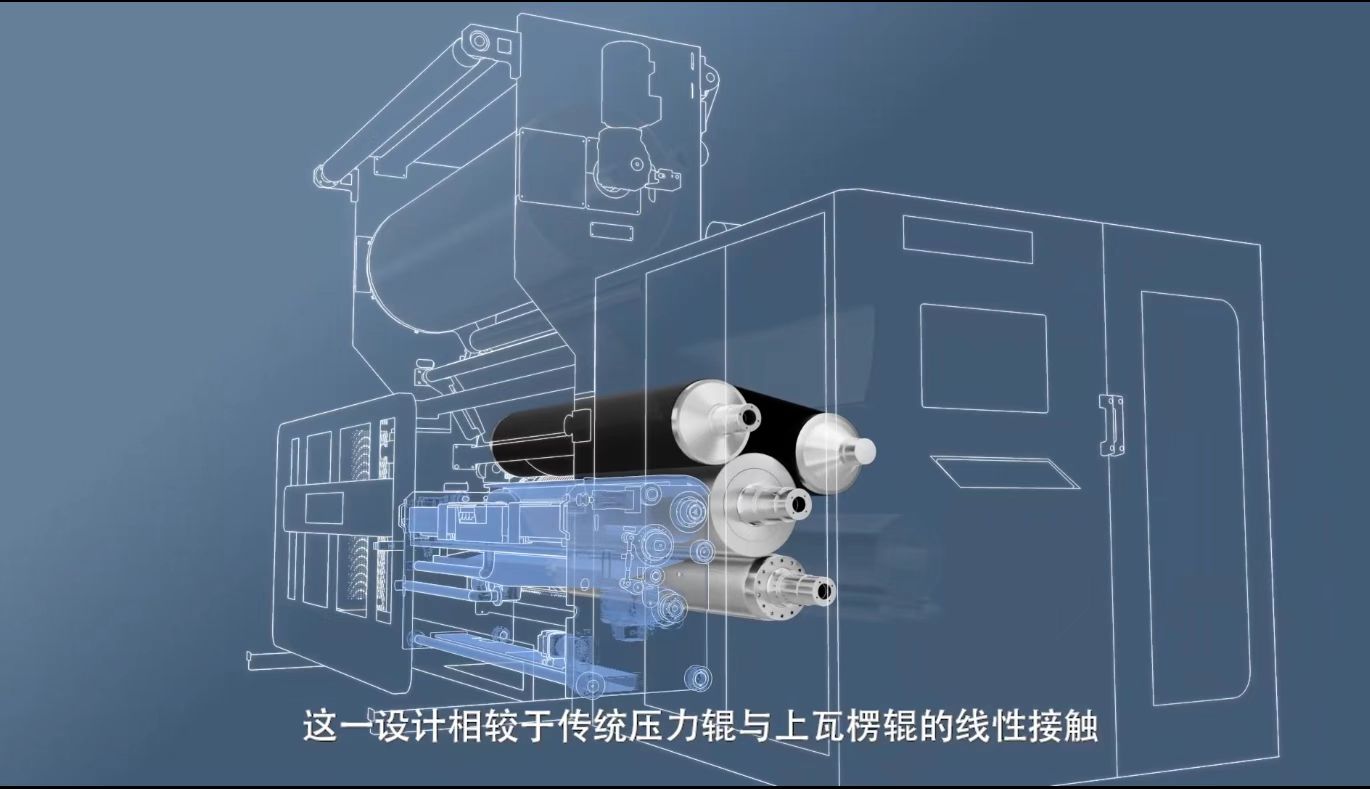
The case of BW Papersystems USA fully validates this selection criterion. When showcasing the core technology of their press-belt corrugated machine, 3D animation was used to reveal the internal structure, visualizing the technical solution to the "cardboard wrinkling" problem. This depth of analysis, difficult to achieve with live-action, is precisely the best choice for demonstrating technical complexity.
Expression Needs Based on Spatio-temporal Dimensions
For process flows that require demonstrating long time spans or spatio-temporal compression, animation offers more flexible narrative possibilities. Live-action strictly follows the natural progression of time, making it difficult to fully showcase production processes lasting hours within a limited timeframe. Animation, however, can convert complex processes into easily understandable dynamic analyses through time compression and keyframe extraction.
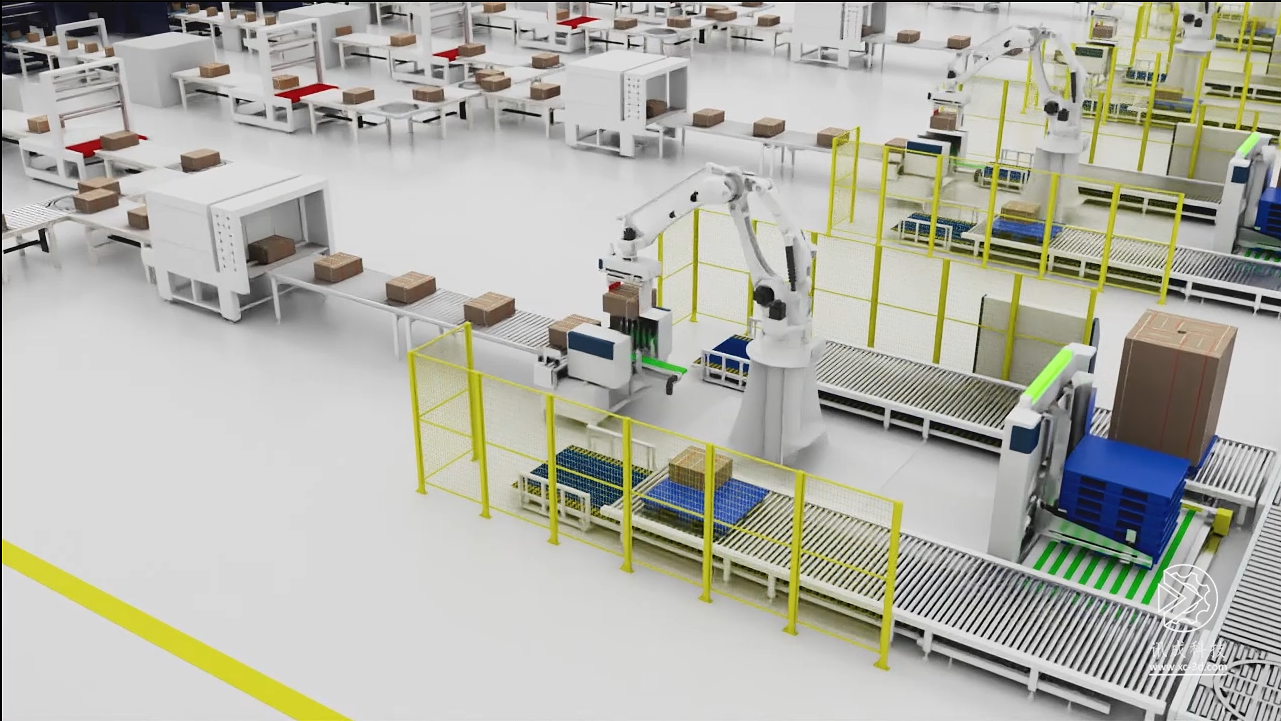
The value of animation is particularly prominent when showcasing continuous production lines. It can present a macro view of the entire production system and focus on specific segments for detailed demonstration, enabling seamless transitions from the overall to the specific. This freedom in the spatio-temporal dimension makes animation the preferred solution for illustrating the operational logic of complex systems.
Consideration Factors Based on Product Maturity
In the product development phase or before production begins, animation offers significant cost and risk control advantages. Live-action requires substantial investment to build physical prototypes, and any design modifications incur high remanufacturing costs. Animation, by building digital models in a virtual environment, achieves "zero-cost trial and error" and plan optimization.
Guangdong Topin Intelligent Machinery Technology Co., Ltd., during the development of their ink printing machine, discovered multiple potential motion interference issues through animation simulation. This proactive virtual verification avoided structural modifications after physical manufacturing, saving considerable R&D costs. For pre-production equipment, animation is undoubtedly a more economical and safer choice.
Balancing Emotional Resonance and Realism
When marketing objectives require establishing strong emotional resonance and realism, live-action often plays a unique role. Actual footage of already produced equipment operating, or usage scenarios in real working environments, can convey an irreplaceable sense of presence and authenticity through live-action. This realism is crucial for building initial trust.
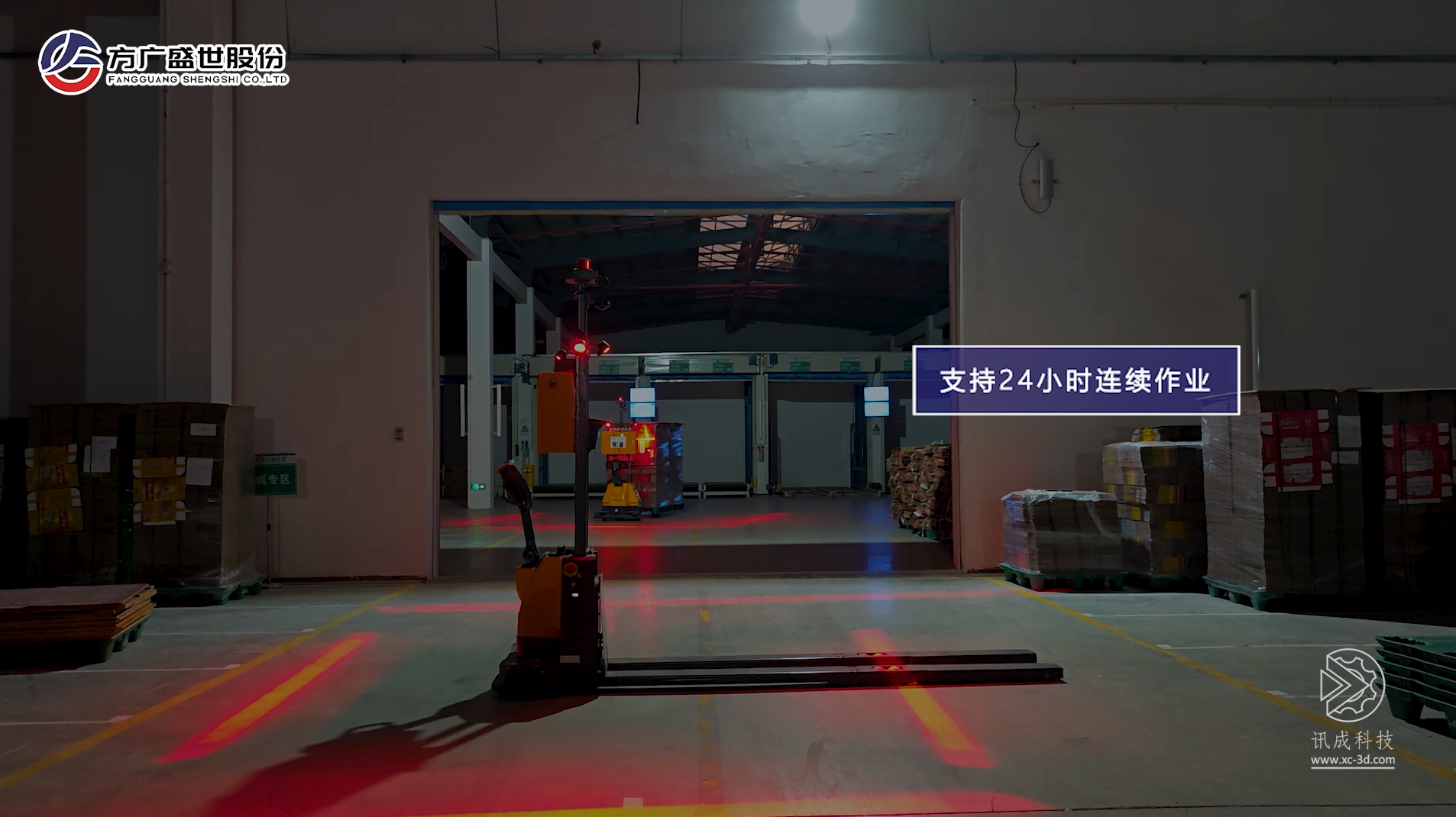
In terms of brand image shaping, live-action can capture subtle real textures of light, materials, and environments, creating a more engaging atmosphere. When there is a need to show products in actual application or emphasize their tangible existence, live-action is often the most direct and effective choice. For instance, the promotional video produced by Xuncheng Technology for Fang Guang Sheng Shi (Fujian) showcases live-action footage of their IGV equipment operating autonomously in a deserted factory at night, visually demonstrating the feasibility of "dark factory" operations.

Decision Factors Based on Budget and Time
In situations with limited budgets or tight deadlines, animation is generally more flexible. Live-action involves coordination of various aspects such as location, equipment, and personnel, with a relatively fixed production cycle. While animation production has higher upfront investment, its modification costs are lower, and it is not restricted by objective conditions like weather or location.
For international projects requiring multi-version and multi-language adaptation, animation's advantages are even more apparent. Basic animation assets can be quickly derived into display versions with different configurations, significantly reducing subsequent marginal costs. This reusability makes animation demonstrate better cost-effectiveness in long-term marketing.
Innovative Practices Based on Hybrid Strategies
In practical marketing applications, an increasing number of companies are choosing to organically combine animation and live-action to form a hybrid strategy of complementary advantages. This strategy retains the realism of live-action while incorporating the analytical capabilities of animation, creating a "1+1>2" communication effect.
Hybrid strategies can manifest in various forms: using live-action to establish scene realism and then animation to explain key technological innovations; or using animation to preview future scenarios and then live-action to verify actual results. This flexible combination allows companies to customize the most suitable visual solutions based on specific communication needs.
Choosing between animation and live-action is essentially a comprehensive consideration of multiple factors such as marketing objectives, product characteristics, and resource constraints. Animation excels at analyzing complexity, presenting internals, and previewing the future; live-action is adept at building trust, conveying authenticity, and capturing the scene. A wise choice lies not in chasing technological trends, but in precisely matching communication needs.
In today's industrial marketing landscape where content quality is increasingly valued, establishing scientific selection criteria for visual expression not only enhances the communication efficiency of marketing content but also ensures that every investment yields its due value. This requires close collaboration between marketing personnel and technical teams, making the most professional visual communication decisions based on a deep understanding of product value and audience needs.
Featured FAQs:
Q: What are the differences between industrial animation and live-action?
A: Both industrial animation and live-action can effectively showcase the highlights of industrial products. However, there are some differences:
1-Display Effect:
Live-action showcases product highlights through shots of the entire machine combined with close-ups, offering realistic, natural textures and lighting effects that provide a strong sense of authenticity and presence. However, live-action can be affected by shooting environments, lighting conditions, and other factors, leading to some uncertainty in the final visual outcome.
Industrial 3D animation offers richer display techniques. Besides live-action shots, it can utilize methods such as explosions, cutaways, penetrating views, and microscopic magnification to demonstrate equipment highlights, achieving highly idealized and standardized visual effects. It can emphasize key points and clearly present desired information to the audience, avoiding potential interfering factors found in live-action.
2-Professionalism:
Live-action is more commonly used for entertainment, culture, and lifestyle contexts; professional shooting of industrial equipment caters to a niche audience. To effectively showcase machinery, a certain level of professionalism is required, which is precisely what 3D animation production demands.
3-Production Cycle:
Live-action production process: Requirements → Concept → Script → Pre-production Scouting → Rehearsal → Filming → Post-production
Animation, in addition to the live-action process, includes: 3D Modeling → Texturing → Lighting → Camera Work → Animation → Special Effects → Post-production. Therefore, the production cycle is longer.
4-Cost:
Generally speaking, 3D animation production has higher requirements and delivers superior results, thus its production cost tends to be higher.
3D animation has a higher upfront investment cost, but the cost of repeated display and distribution in the post-production phase is lower.
Live-action has relatively simpler preliminary preparations, but it is influenced by factors such as weather, location, and talent. If large-scale duplication and distribution are required, master tape production costs need to be considered.
5-Content Representation:
The content presented in live-action must genuinely exist or be capable of occurring in reality. It is generally based on real scenes and actual situations, focusing more on recording and displaying real people, environments, and events.
3D animation is not limited by real-world physical conditions and space, allowing it to easily showcase content that is difficult or impossible to achieve in reality (such as the complex internal operations of industrial products, chemical reactions in the microscopic world, virtual assembly processes of large machinery, etc.). It can also provide visual and conceptual representations of abstract ideas or data.
Q: Is animation video expensive?
A: The price of animation videos varies significantly, mainly influenced by production difficulty, duration, style/creativity, production cycle, and service content. On the surface, animation videos are not cheap, with prices often ranging from tens of thousands to hundreds of thousands, or even millions. However, for high-end promotional videos of industrial products and machinery, animation videos offer high cost-effectiveness.
1-Replaces traditional paper brochures, is intuitive and easy to understand, spreads quickly, and reduces reliance on experienced sales representatives.
2-Animation videos have high quality, perfectly showcasing many details, unique functions, and structures, facilitating deeper communication with clients.
3-Animation videos can be made interactive, increasing customer engagement.
Q: What does the client need to prepare for animation video production?
A: The client needs to prepare the following materials for animation video production:
1-3D models of the product or equipment (primary)
2-Video narration script (can be used for voiceover)
3-Company LOGO and information (e.g., company name, address, contact details, website, etc.)
4-Requirements and objectives (determine theme and style, budget and duration, outline key content)
5-Others (e.g., video script, company-specific intro/outro sequences, etc.)
About Xuncheng Technology
Founded in 2016, with 9 years of professional industrial 3D animation creation experience, serving clients across various types of enterprises including startups, overseas clients, listed companies, and foreign-funded enterprises. We specialize in 3D animation creation for machinery, high-tech, software development, foreign trade companies, etc. We provide one-stop industrial 3D animation creative services, from product sales to after-sales maintenance.
We have provided nearly 3000 minutes of professional animation videos for over 200 manufacturing enterprises.
Whether at trade shows or during client visits, whether expanding into overseas markets or enhancing after-sales service, we firmly believe that through the power of design, complex products and machinery can be presented through stunning 3D animation. This not only brings a unique visual experience to clients but also swiftly touches their hearts.