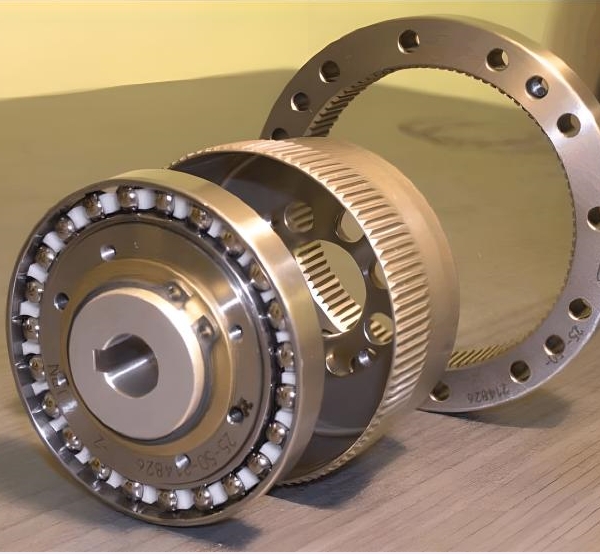
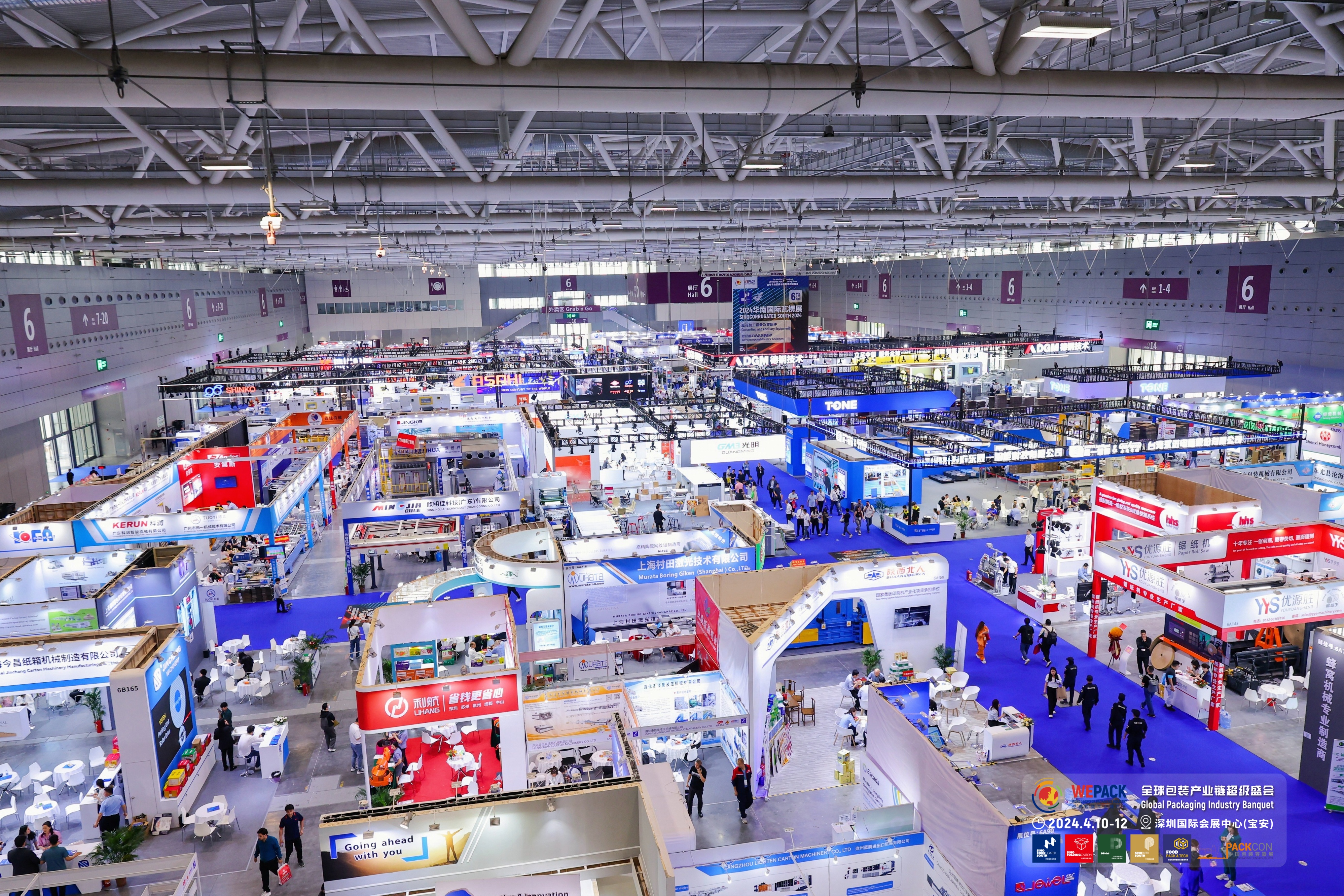
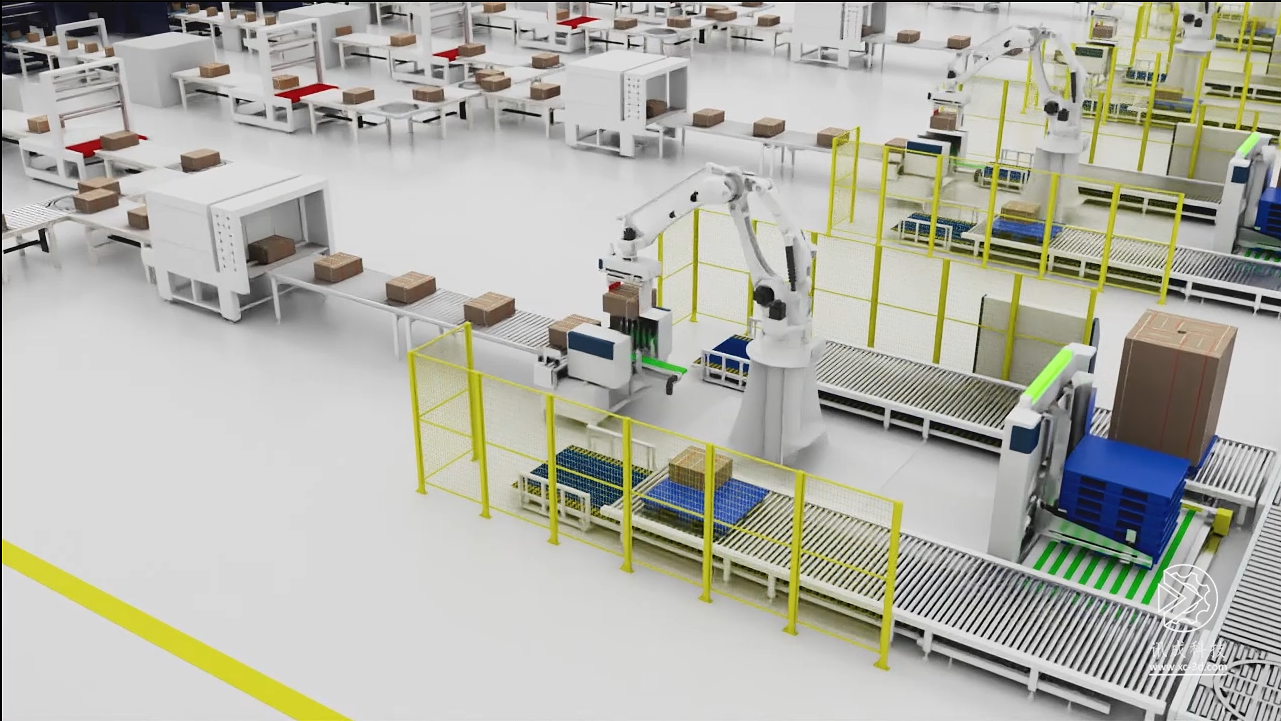
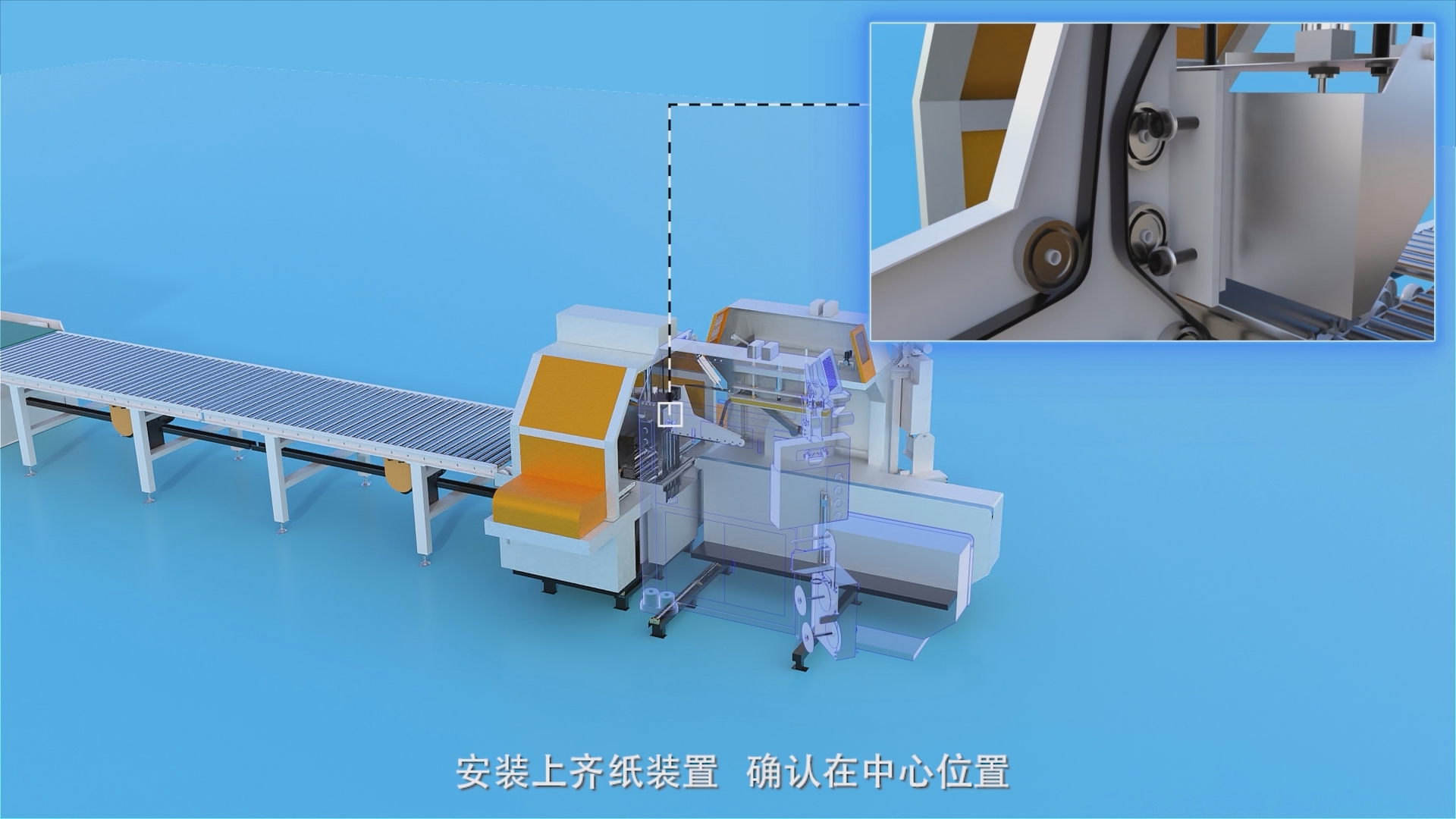
In the field of industrial manufacturing, equipment demonstration is crucial for product promotion, technical exchange, and customer understanding. Traditional methods, such as physical displays, 2D drawings, and textual descriptions, have limitations. The emergence of 3D industrial animation has brought innovative solutions to industrial manufacturing equipment demonstrations.
Characteristics and Advantages of 3D Industrial Animation
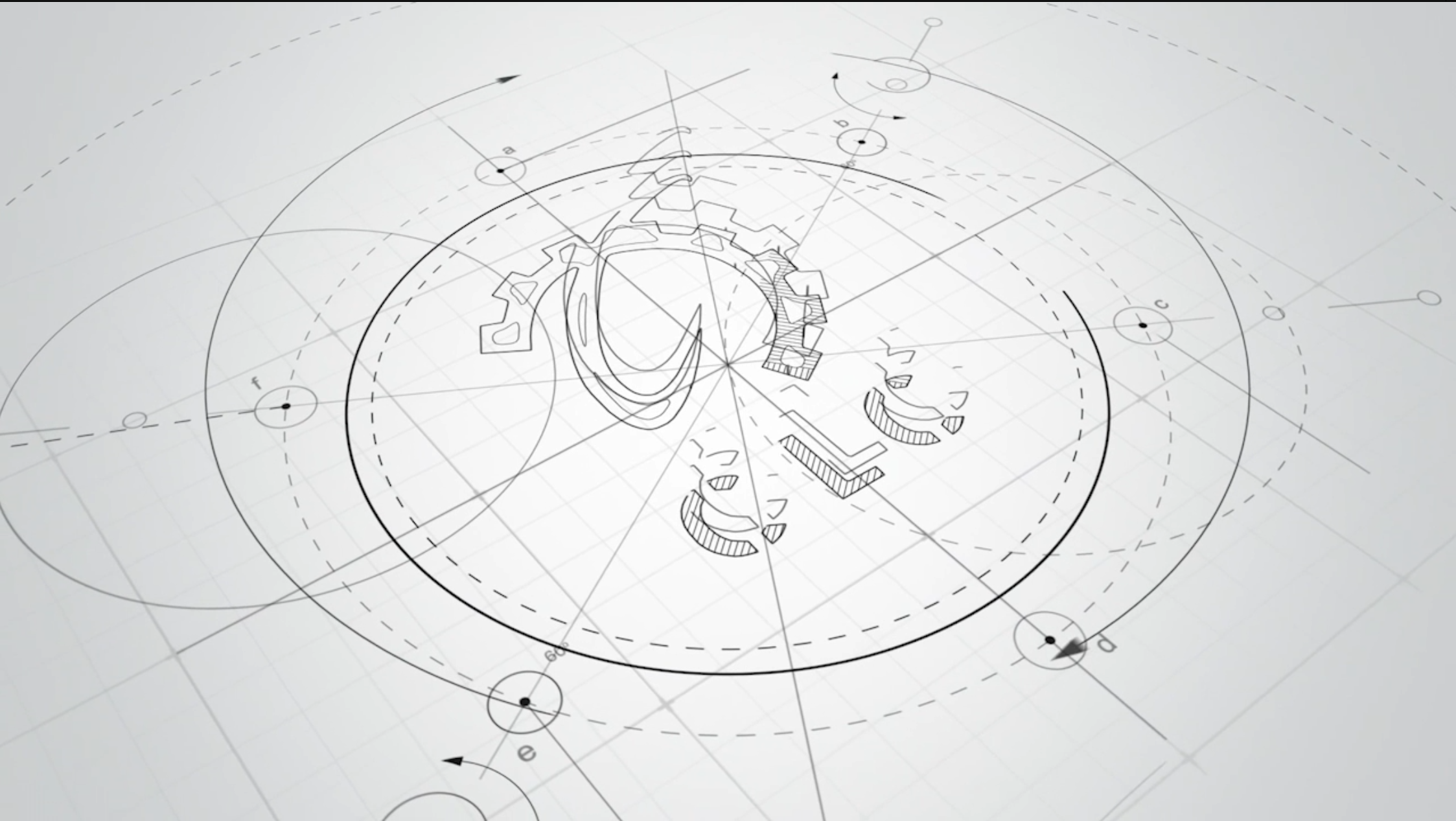
3D industrial animation utilizes computer graphics technology to create virtual three-dimensional scenes and objects, showcasing their working principles, structural compositions, and operating procedures through animation. Compared to traditional demonstration methods, 3D industrial animation offers the following significant advantages.
Firstly, it possesses high visualizability. It can present complex industrial equipment in an intuitive and vivid manner, making it instantly understandable to the audience. Whether it's the internal structure or external form of the equipment, it can be clearly displayed through 3D animation, greatly improving the efficiency of information delivery.
Secondly, 3D industrial animation is highly interactive. Viewers can freely control playback, pause, zoom, and rotation of the animation through mouse operations, touch screens, etc., to deeply understand various details of the equipment. This interactivity allows viewers to actively participate in the demonstration process, enhancing learning and comprehension.
Furthermore, 3D industrial animation is repeatable and modifiable. Once produced, the animation can be played and shared infinitely, without time or space constraints. Additionally, if modifications or updates are needed for the demonstration content, only the animation needs to be adjusted accordingly, without the need for re-creation.
Innovative Presentation Forms
Dynamic Demonstration of Working Principles
3D industrial animation can dynamically demonstrate working principles by simulating the equipment's operating process. For instance, with a complex mechanical equipment production process, the animation can detail the trajectory of each component, their interrelationships, and the actual application process, allowing the audience to better understand the equipment's operational mechanism.
Virtual Assembly and Disassembly
Using 3D animation technology, virtual assembly and disassembly of industrial equipment can be achieved. Viewers can witness the assembly process from components to the whole, as well as the sequence and methods for disassembling each part through the animation. This is significant for training operators and demonstrating equipment maintenance and upkeep methods.
Scene Simulation and Application Demonstration
Beyond showcasing the equipment itself, 3D industrial animation can simulate the equipment's application in real working scenarios. By creating realistic virtual environments, such as factory floors or construction sites, it demonstrates the equipment's work effects and performance under different conditions, allowing the audience to intuitively grasp its practical application value.
Actual Case Study
Taking the equipment installation demonstration for Guangdong Jinshun Automation Technology Co., Ltd. as an example, traditional methods could only present the equipment's appearance and simple installation instructions, making it difficult for construction personnel to understand its complex process principles. By producing 3D industrial animation, the equipment's foundation structure, wiring methods, and installation process were detailed. Through watching the animation, construction personnel could quickly grasp the installation procedure, avoid rework due to improper operation, and thus shorten installation time.

In summary, 3D industrial animation exhibits unique innovative performance and significant advantages in industrial manufacturing equipment demonstrations. It not only enhances the effectiveness and quality of equipment demonstrations but also provides strong support for product promotion and technical exchange for enterprises. With the continuous development of computer technology, the application prospects of 3D industrial animation in the industrial manufacturing sector will be even broader.
Featured FAQs:
Q: What are the application fields of industrial animation?
A: Industrial animation is widely used in machinery and equipment, energy and transportation, home appliances, building security, bridges and tunnels, as well as after-sales services such as product operation, usage, maintenance, and repair.
Application scenarios for industrial animation include: exhibition demonstrations, product sales, new plant planning, after-sales service, project bidding, achievement reporting, education and training, advertising and marketing, and equipment maintenance.
Q: What types of equipment (products) are suitable for creating 3D animation videos?
A: Almost all equipment is suitable for creating 3D animation videos, (complex mechanical products, electronic products, automotive products, building and real estate products, medical products, fast-moving consumer goods) especially the following three:
1. New product/model promotion: When promoting new products or models, 3D animation videos can showcase product highlights most directly and fully, resonating with customers and helping sales teams quickly capture the market.
2. Foreign trade sales: The primary challenge in foreign trade sales is communication with international clients, especially regarding the translation and explanation of technical terms. 3D animation videos can help foreign clients quickly understand equipment highlights, paving the way for in-depth communication.
3. Featured models for exhibitions: Each exhibition is a significant investment in a company's promotion budget. For large machinery or industrial products, 3D animation demonstrations not only intuitively and vividly showcase product highlights but can even allow exhibitors to forgo bringing actual equipment or products to less critical exhibitions, greatly saving exhibition costs.
Q: Why is there no unified standard for industrial 3D animation pricing?
A: Many factors influence the pricing of 3D animation:
1. Model factors: Whether the client can provide models, the completeness of the provided models, and the complexity of the models (e.g., a car model is more complex than a bicycle) all affect the quote;
2. Production quality (e.g., two different production effects for the same equipment shown below);
3. Animation video duration;
4. Animation video production cycle;
5. Degree of cooperation between parties.
About Xuncheng Technology
Founded in 2016, with 9 years of professional experience in industrial 3D animation creation, our clients range from startups and overseas lead generation companies to listed corporations and foreign-funded enterprises. We specialize in 3D animation creation for machinery and equipment, high-tech industries, software development, foreign trade companies, etc., offering one-stop industrial 3D animation creative services from product sales to after-sales maintenance.
We have provided nearly 3000 minutes of professional animation videos for over 200 manufacturing enterprises.
Whether at exhibitions or visiting clients, whether expanding into overseas markets or improving after-sales service, we firmly believe that through the power of design, complex products and machinery can be presented in astonishing 3D animations. This not only brings a unique visual experience to clients but also quickly captivates them.