In government transportation infrastructure projects, involving multi-departmental and multi-professional collaboration, efficient communication is crucial. 3D industrial animation, with its unique visualization advantages, has become a powerful tool for improving project communication efficiency.
I. Technical Advantages of 3D Industrial Animation Facilitate Communication
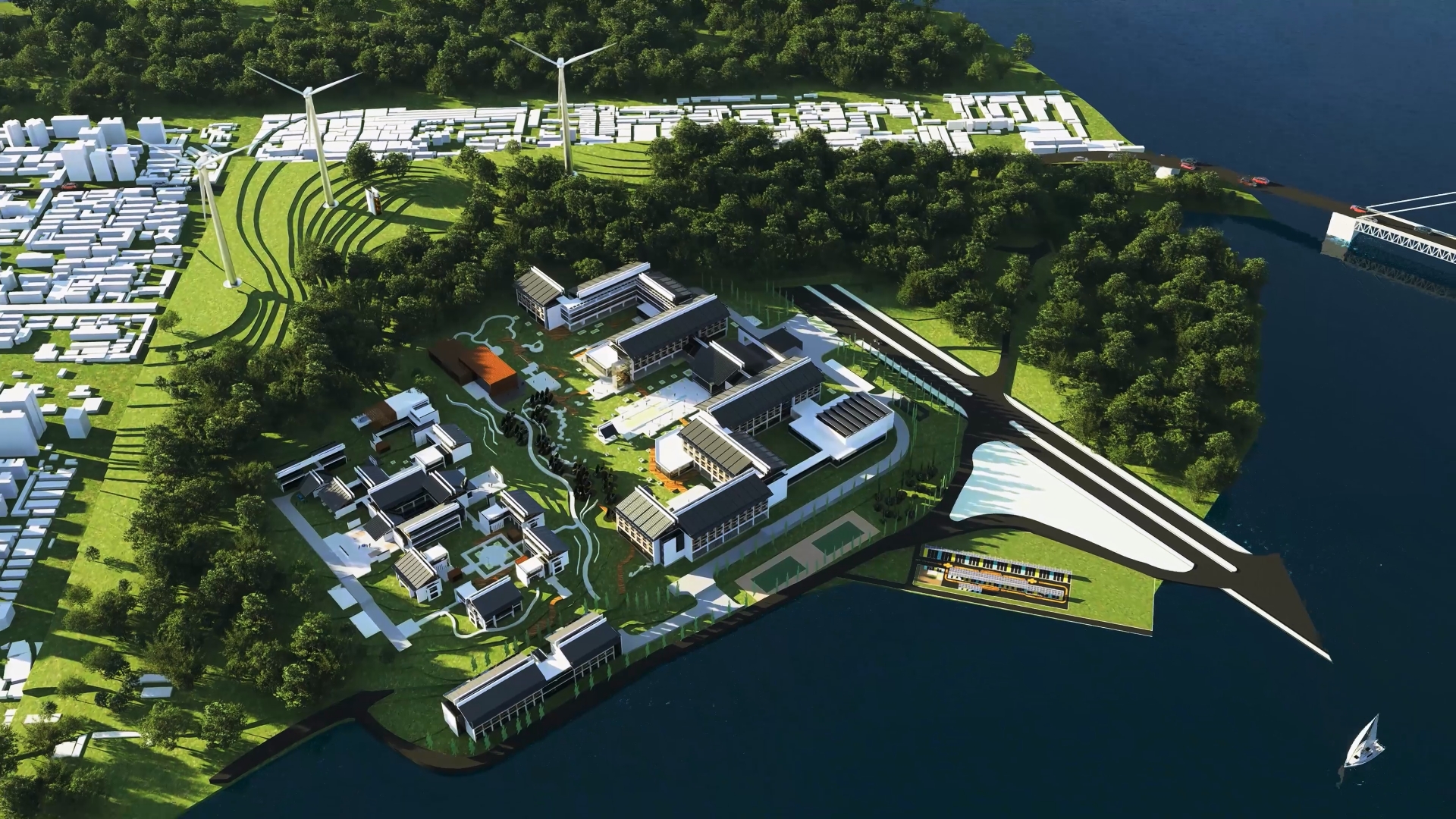
3D industrial animation can accurately reproduce the real scenarios of transportation infrastructure projects. Through high-precision modeling technology, three-dimensional models of facilities such as bridges, tunnels, and railways can be constructed, with extremely rich detail and high accuracy. For example, when constructing a bridge model, it can be precise down to the dimensions, materials, and connection methods of each steel beam. At the same time, dynamic simulation technology can simulate actual operating conditions such as vehicle traffic and water flow impact. This highly realistic presentation allows all parties involved in the project to intuitively understand the overall project, avoiding misunderstandings caused by unclear textual descriptions or two-dimensional drawings.
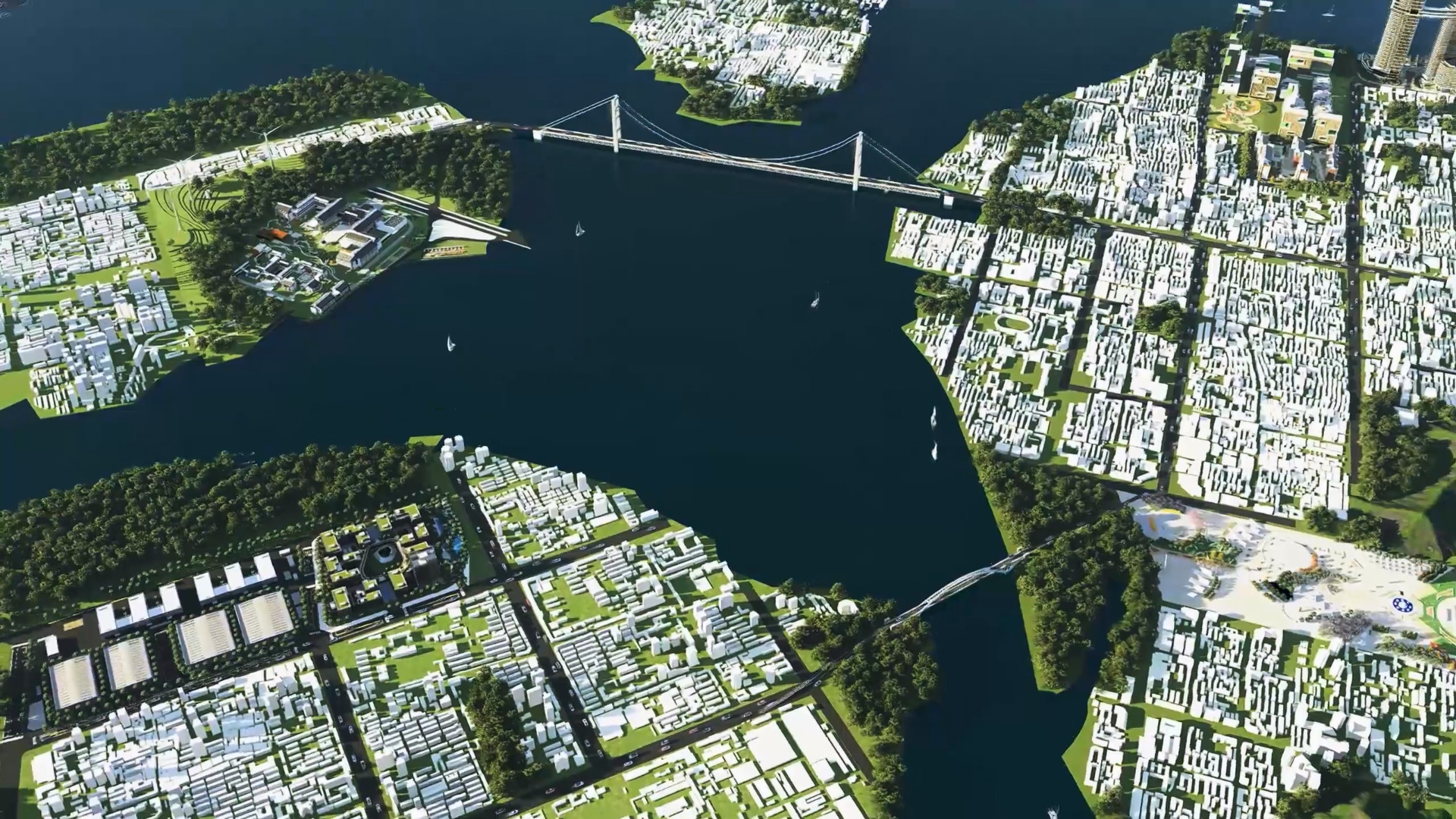
Interactive functions can also be added during the animation production process. Relevant personnel can freely control the model via computers, tablets, and other devices, observing project details from different angles, such as zooming in to view the lighting system layout inside a tunnel or zooming out to view the overall transportation network plan. This greatly enhances the proactivity and convenience of information acquisition.
II. 3D Industrial Animation Improves Communication Efficiency at Each Project Stage
Planning and Design Stage
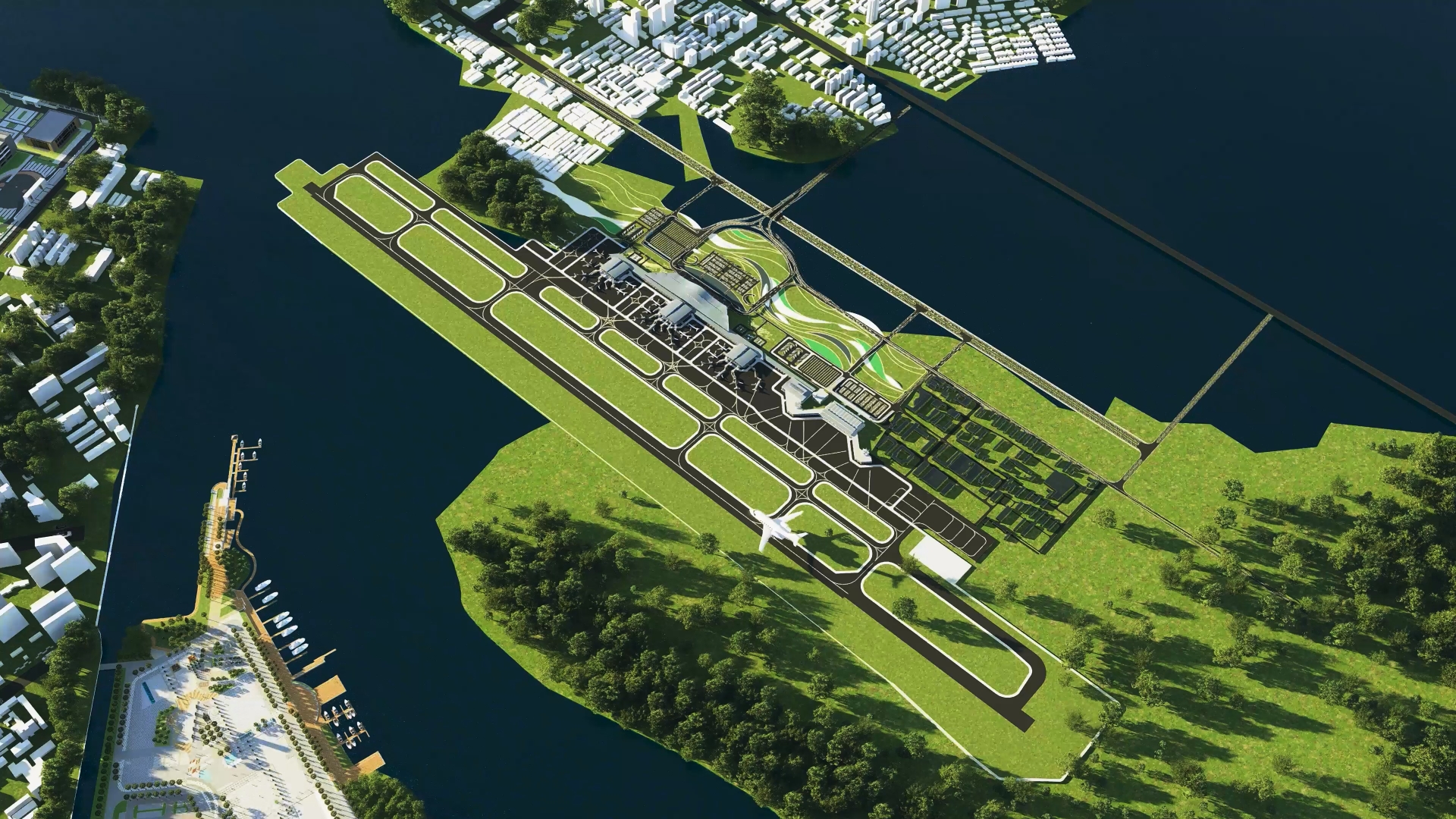
In this stage, 3D industrial animation can help government departments, planners, and designers communicate effectively. Designers can use animation to present preliminary design plans, and government departments can visually see the project's completed effects and its impact on the surrounding environment. For instance, in urban rail transit planning, animation can simulate train routes, station layouts, and connections with surrounding buildings. Based on the animation presentation, government departments can quickly provide feedback and suggestions, and designers can adjust plans in a timely manner, avoiding modifications and delays due to unreasonable designs later on.
Bidding Stage
For bidding enterprises, 3D industrial animation is a powerful tool to showcase their strengths and proposal advantages. Companies can use animation to detail construction processes, progress schedules, and quality assurance measures. For example, animation can simulate the bridge construction process, clearly presenting each step from foundation pouring to beam erection. By viewing the animation, government departments and evaluation experts can gain a more comprehensive and in-depth understanding of each bidder's proposal, enabling more accurate assessments and selections, thus improving the fairness and efficiency of the bidding process.
Construction Stage
During the construction process, 3D industrial animation can be used for technical briefings within the construction team and communication with other stakeholders. Construction personnel can understand complex construction techniques and processes through animation, such as the shield tunneling process for large underground tunnels. The animation can also illustrate potential risks and mitigation measures during construction, allowing personnel to prepare in advance. Furthermore, for surrounding residents and relevant entities, animation can present traffic diversion plans during construction and environmental protection measures, reducing unnecessary disputes and misunderstandings and ensuring the smooth progress of the project.

Operation and Maintenance Stage
In the operation and maintenance stage, 3D industrial animation can be used to introduce the structure and operating principles of facilities to operations and maintenance personnel. For example, animation can illustrate the workflow of highway toll systems and monitoring systems. Maintenance personnel can better understand equipment maintenance points and troubleshooting methods through animation, improving efficiency and quality. Meanwhile, for government departments, animation can help them understand the project's operational status and long-term plans, providing a basis for decision-making.
In summary, 3D industrial animation can significantly enhance communication efficiency at all stages of government transportation infrastructure projects, promoting smooth project progress. With continuous technological development, its application prospects in the transportation field will be even broader.
Featured FAQs:
Q: What are the application areas of industrial animation?
A: Industrial animation is widely used in machinery and equipment, energy and transportation, home appliances, building security, bridges and tunnels, and after-sales services such as product operation, use, and maintenance. Application scenarios include: exhibition demonstrations, product sales, new factory planning, after-sales service, project bidding, achievement reporting, education and training, advertising and marketing, equipment maintenance, etc.
Q: How long does it take to produce an animation video?
A: The production cycle of an animation video is significantly affected by various factors: 1- Timeliness and completeness of materials provided by the client. Materials provided by the client include: 3D models of products or equipment, video scripts, company logo, and company information. 2- Complexity of the scenes and equipment to be animated. For example, animating the internal structure of a car driving on a tree-lined avenue is much more complex than animating a static bicycle. 3- Timeliness and effectiveness of communication between parties during production. Generally, ordinary 3D animation video production takes 15-20 days. Complex models or large scenes may require 30-60 days, or even longer.
Q: What categories does Xuncheng animation video production include?
A: Animation video production includes the following three categories: Promotional: including product promotion, corporate promotion, etc. Technical: including equipment operation, equipment maintenance, equipment repair, spare parts replacement, equipment assembly, equipment safety, etc. Custom: including exhibition videos, investment promotion videos, banquet warm-up videos, etc.
About Xuncheng Technology
Founded in 2016, with 9 years of professional experience in industrial 3D animation creation, our clients span various types of enterprises including startups, overseas clients, listed companies, and foreign-funded enterprises. We specialize in providing 3D animation creation for mechanical equipment, high-tech industries, software development, foreign trade companies, etc. We offer a one-stop industrial 3D animation creative service, from product sales to after-sales maintenance. We have provided nearly 3000 minutes of professional animation videos for over 200 manufacturing enterprises. Whether for exhibition sites or client visits, whether for expanding overseas markets or improving after-sales service, we firmly believe that through the power of design, complex products and machinery can be presented through stunning 3D animation. This not only brings a unique visual experience to clients but also quickly resonates with them.