
In the industrial product marketing field, enterprises face three major core challenges: high brand awareness costs, difficulty in conveying technical value, and long customer decision cycles. According to Deloitte's "2024 Global Marketing Trends," companies using traditional promotional methods (brochures/PPT) have an average customer conversion rate of 2.3%, while those applying industrial 3D animation can achieve a conversion rate of 5.8%.
Brochures and PPTs, due to their low production threshold and controllable initial costs, have long occupied traditional marketing scenarios; while industrial animation, despite higher upfront production costs, can release continuous value in brand precipitation and customer acquisition conversion. From a full lifecycle perspective, the "expensive vs. cheap" distinction between the two is not a simple comparison of production costs but depends on the alignment between the brand building stage and marketing objectives.
I. Short-Term Investment: Animation's "Explicit Costs" vs. Brochures/PPT's "Implicit Costs"
From a single production cost perspective, the design and printing costs for a 20-page promotional brochure are approximately ¥5,000-¥20,000, and the production cost for a set of product introduction PPTs typically does not exceed ¥10,000. In contrast, the production cost for a 3-minute industrial animation often ranges from ¥50,000 to ¥150,000. On the surface, animation costs appear significantly higher. However, this comparison overlooks the "implicit costs" of traditional media:
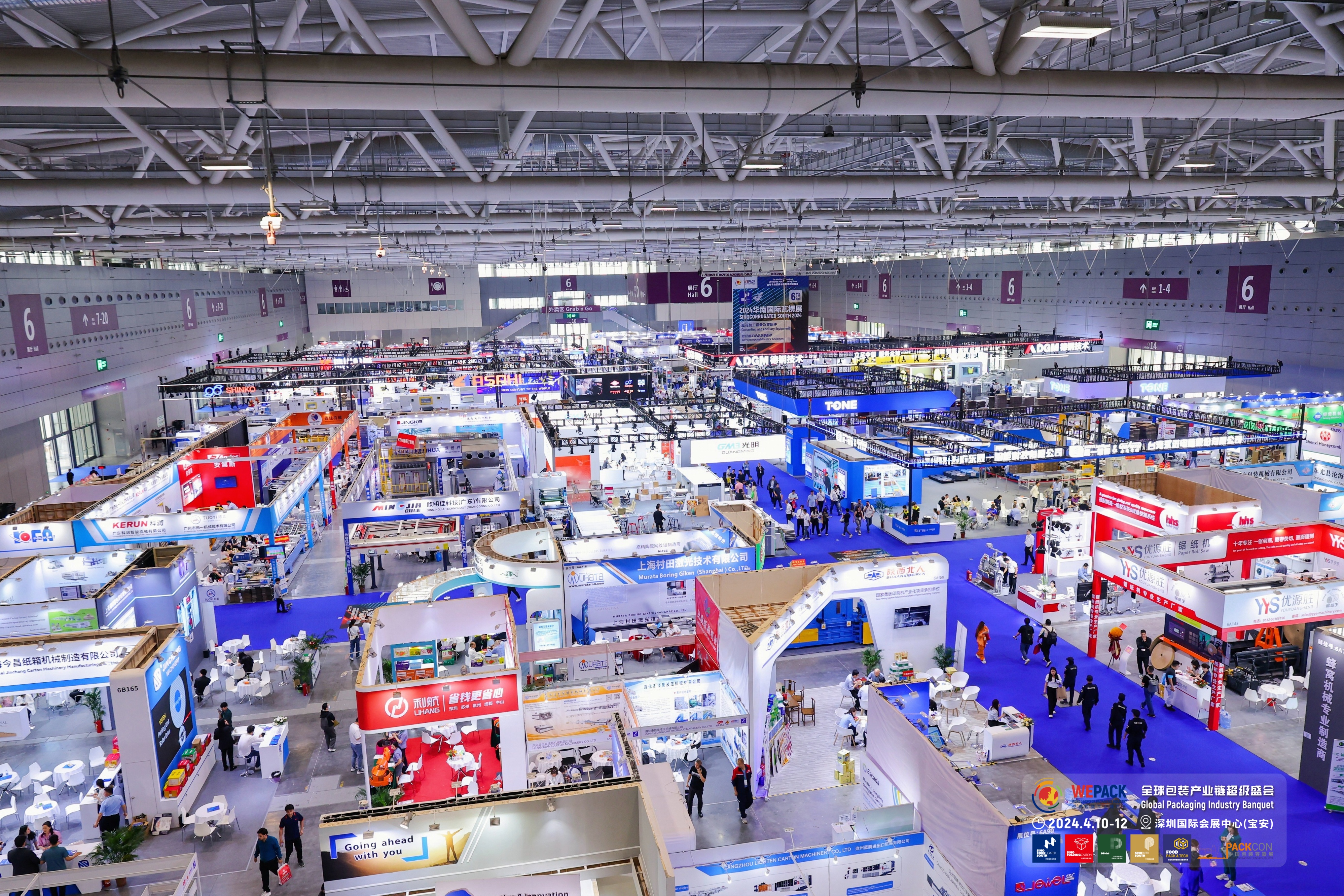
The physical nature of promotional brochures determines their "distribution boundaries"—participating in an industry exhibition requires carrying hundreds of brochures, with transportation and warehousing costs reaching up to 30% of the production cost. Moreover, over 80% of brochures are discarded after the exhibition, severely diluting the cost of effectively reaching customers. Equipment manufacturers have calculated that their annual brochure-related expenses (including design updates, printing, logistics) amount to ¥80,000, with the cost per effective customer reached (total cost / number of prospective customers) exceeding ¥280/person.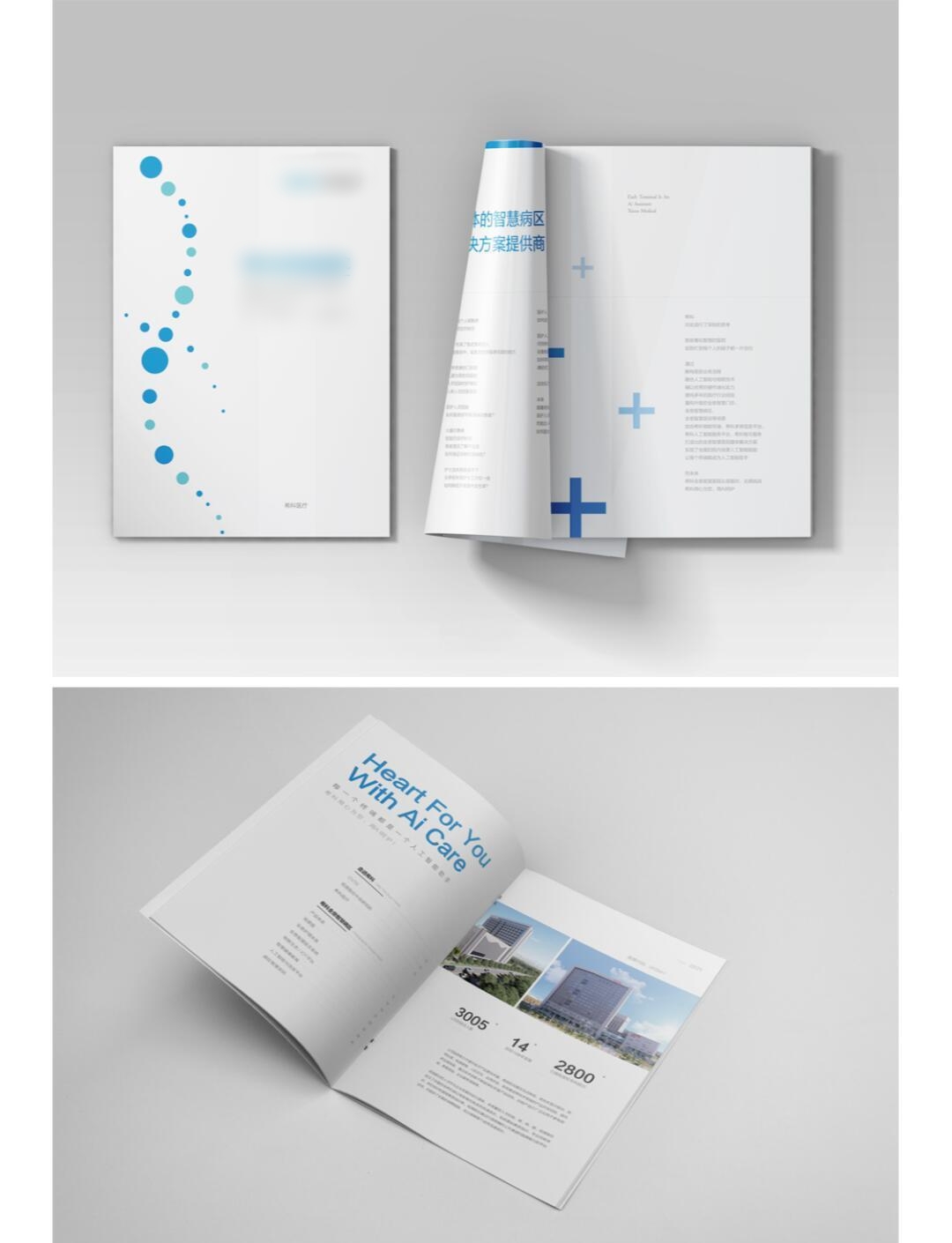
The limitation of PPTs lies in their "scenario dependency"—complete information can only be conveyed through live sales presentations. If customers miss the presentation, the information transmission efficiency of static files drops by 60%. According to statistics, for a company with annual sales of ¥200 million, the average annual time and travel costs incurred by sales personnel for PPT presentations exceed ¥120,000, with the cost per effective customer reached exceeding ¥220/person.
Animation, on the other hand, can be distributed and disseminated through multiple channels such as official websites, emails, and short video platforms, freeing it from the dependency on personnel being present for explanations. Apart from production costs, the marginal dissemination cost is almost negligible.
II. Brand Value: Animation's "Asset Accumulation" vs. Brochures' "Iterative Loss"
From a brand creation perspective, the core value of industrial animation lies in building "reusable digital assets." Brand visual elements (such as 3D product models, iconic scenes) can be accumulated long-term, with subsequent update and iteration costs being only 20%-30% of the initial production.
Brochures and PPTs face the dilemma of "iteration equals obsolescence." Brand logo upgrades and product parameter updates require re-design and re-production, leading to repeated investment in the long run. Furthermore, visual information from old and new versions of brochures can easily cause image conflicts, leading to brand recognition confusion. The digital nature of industrial animation ensures consistent brand visuals, making it a long-term brand asset.
III. Customer Acquisition and Conversion: Animation's "Precise Reach" vs. Traditional Promotion's "Efficiency Bottleneck"
The key metric for marketing customer acquisition is "lead conversion cost." Industrial animation significantly reduces this cost due to its high information density and dissemination adaptability. On search engines, product pages featuring animation have a 57% higher click-through rate than pure text and image pages.
Neuroscience research indicates that the information retention rate for dynamic images is 2.3 times higher than for static images. Test data from a domestic heavy machinery manufacturer shows:
Technical understanding accuracy after careful reading of brochures is 58%
Technical understanding accuracy after PPT presentation is 72%
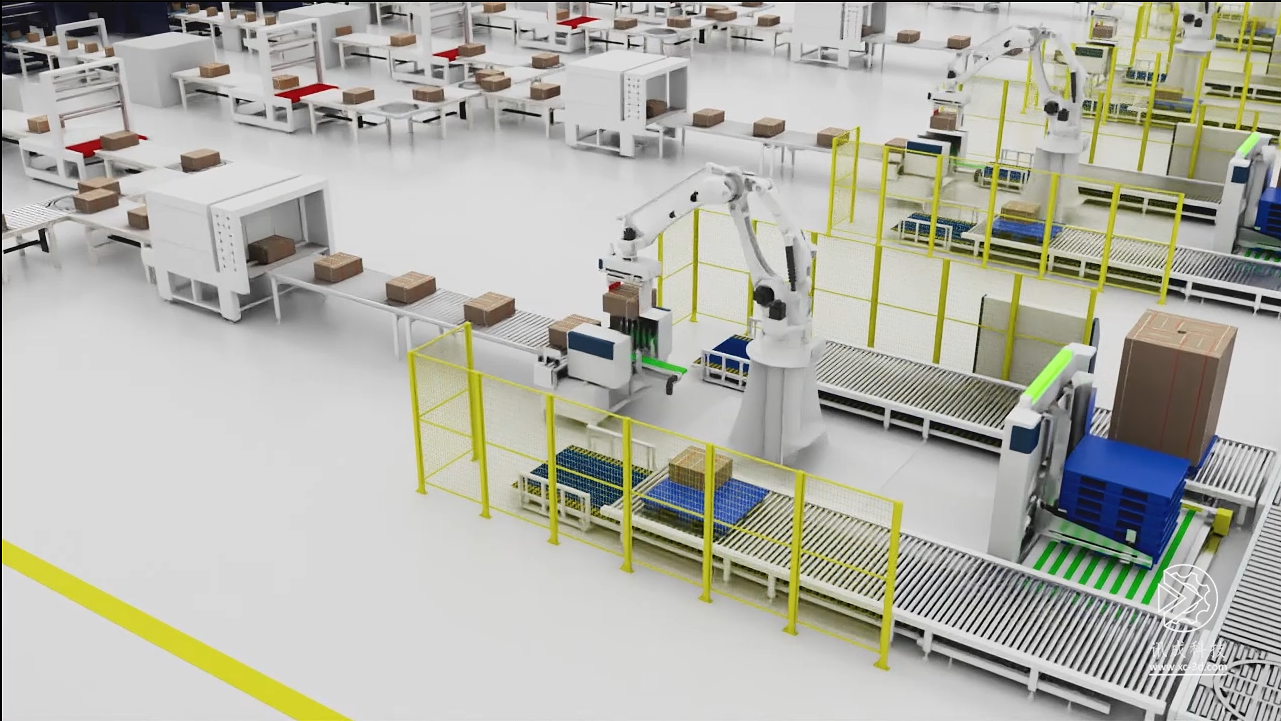
Technical understanding accuracy after watching 3D animation is 89%
The "high conversion" of animation stems from its ability to independently complete the entire process of "technical breakdown—information transmission—value persuasion," reducing reliance on sales personnel. This is particularly suitable for the "long decision cycle" characteristic of industrial products, allowing customers to repeatedly watch the animation to dissect technical details and accelerate the decision-making process.
Therefore, industrial 3D animation is not simply a "high-end substitute" but a strategic tool for making technical value explicit, structuring brand perception, and deepening customer relationships.
For startups, brochures and PPTs can meet basic information dissemination needs; however, for companies pursuing brand upgrades and rapid mass customer acquisition, industrial animation offers greater long-term return on investment and cost advantages. Its "expensiveness" lies in the upfront production investment, while its "value" lies in the dual benefits of brand accumulation and customer acquisition efficiency.
About Xuncheng Technology
Founded in 2016, with 9 years of professional industrial 3D animation creation experience, our clients span various types of enterprises, including startups, overseas clients, listed companies, and foreign-funded enterprises. We specialize in providing 3D animation creation for mechanical equipment, high-tech industries, software development, foreign trade companies, etc. We offer one-stop industrial 3D animation creative services, from product sales to after-sales maintenance.
We have provided nearly 3000 minutes of professional animation videos for over 200 manufacturing enterprises.
Whether at trade shows or client visits, whether expanding into overseas markets or enhancing after-sales service, we firmly believe that through the power of design, complex products and machinery can be presented with stunning 3D animations. This not only brings a unique visual experience to clients but also quickly wins their hearts.