
In every manufacturing sales team, there are always one or two "star salespeople." They may not have the best speaking skills, but clients simply trust them. When they explain the equipment, clients listen; when clients ask questions, they always have an answer; when clients hesitate, they know exactly which video clip to play and which detail to point out. A new salesperson can spend the better part of a year learning and still not handle things with the same ease and confidence.
Then one day, that star salesperson hands in their resignation. What they take with them is more than just what's written in the employment contract — it's all the experience stored in their head: how to clearly explain the equipment's internal structure to a client, which maintenance points the client cares about most, and what talking points to use when facing technical doubts. None of this is in the manual or the PowerPoint; it's all in their mind. Once they're gone, the new salesperson has to fumble their way from scratch, rebuild client relationships, and pay the trial-and-error costs all over again.
Is there a way to retain what's inside that star salesperson's head? Yes, there is. Turn their most effective demonstration method into a 3D animation.
A Star Salesperson's Core Capability Can Be "Encapsulated"
What makes a star salesperson exceptional is often not a particularly likeable personality, but the fact that they have mastered a highly effective "translation" method — they know how to translate complex mechanical principles into visuals the client can understand, and how to translate the equipment's core strengths into benefits the client cares about. This method may sound abstract, but in reality, it's very concrete.
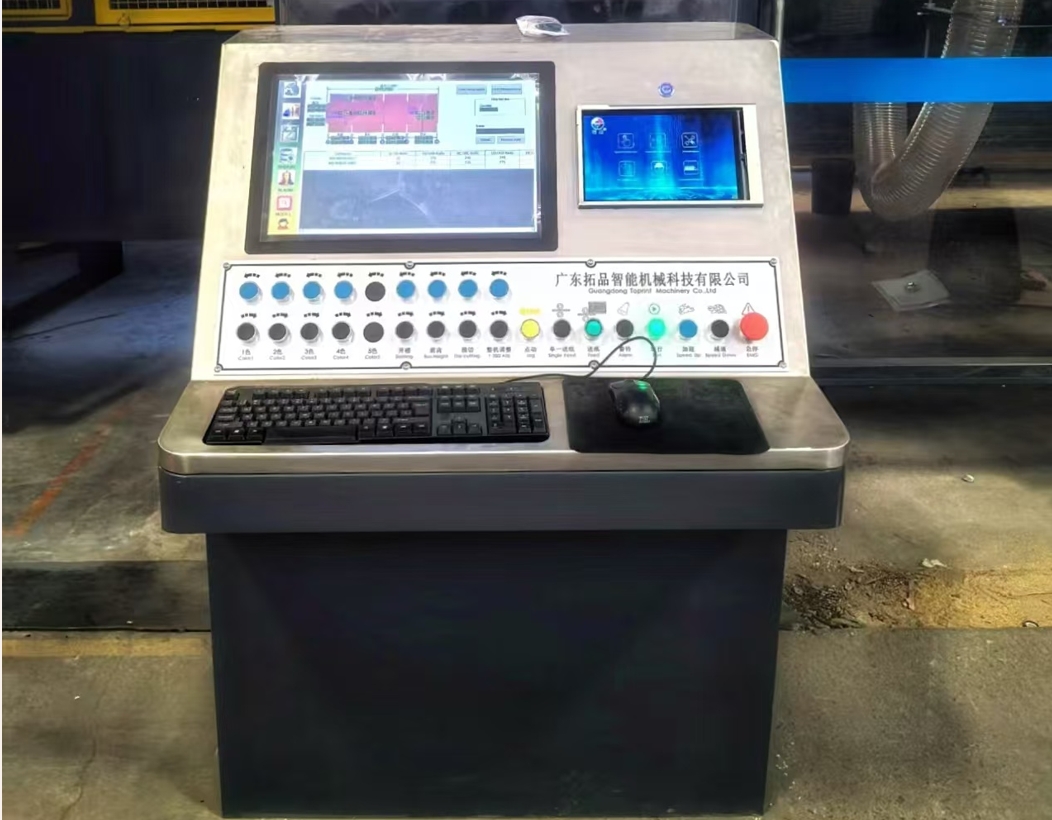
The sales team at Guangdong Tuopin Intelligent Machinery Technology Co., Ltd. noticed a phenomenon during equipment demonstrations: the moments that truly impressed clients were often when the clients themselves opened the interactive animation on the tablet mounted on the central control console. Clients didn't need the salesperson to verbally explain the function of every button or the logic behind each maintenance point — the animation demonstrated everything on its own. The salesperson only had to answer a few deeper follow-up questions after the client had watched the animation. Tuopin solidified this "let the animation speak first, the salesperson follow up" approach into a standard practice for the entire sales team.
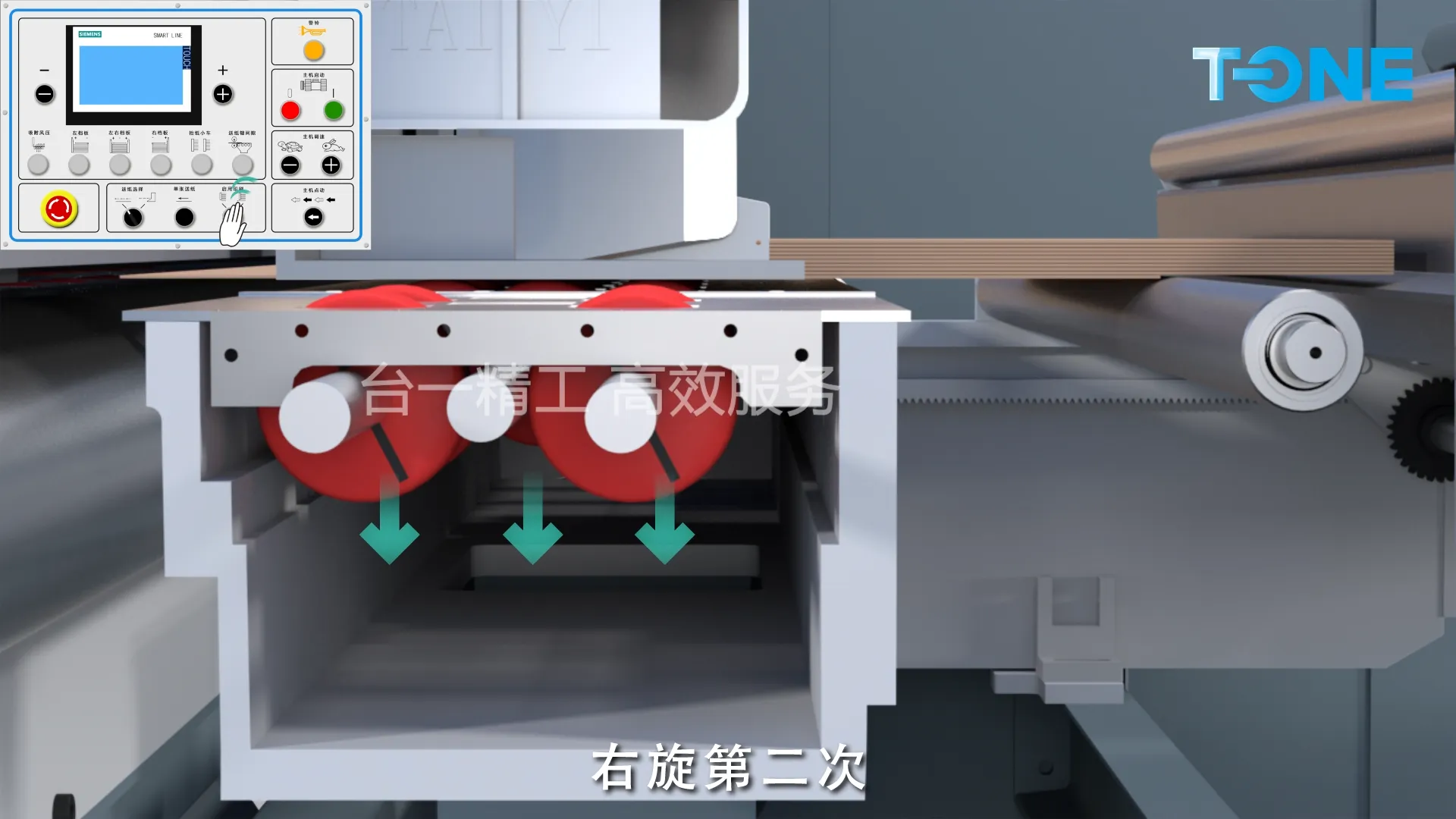
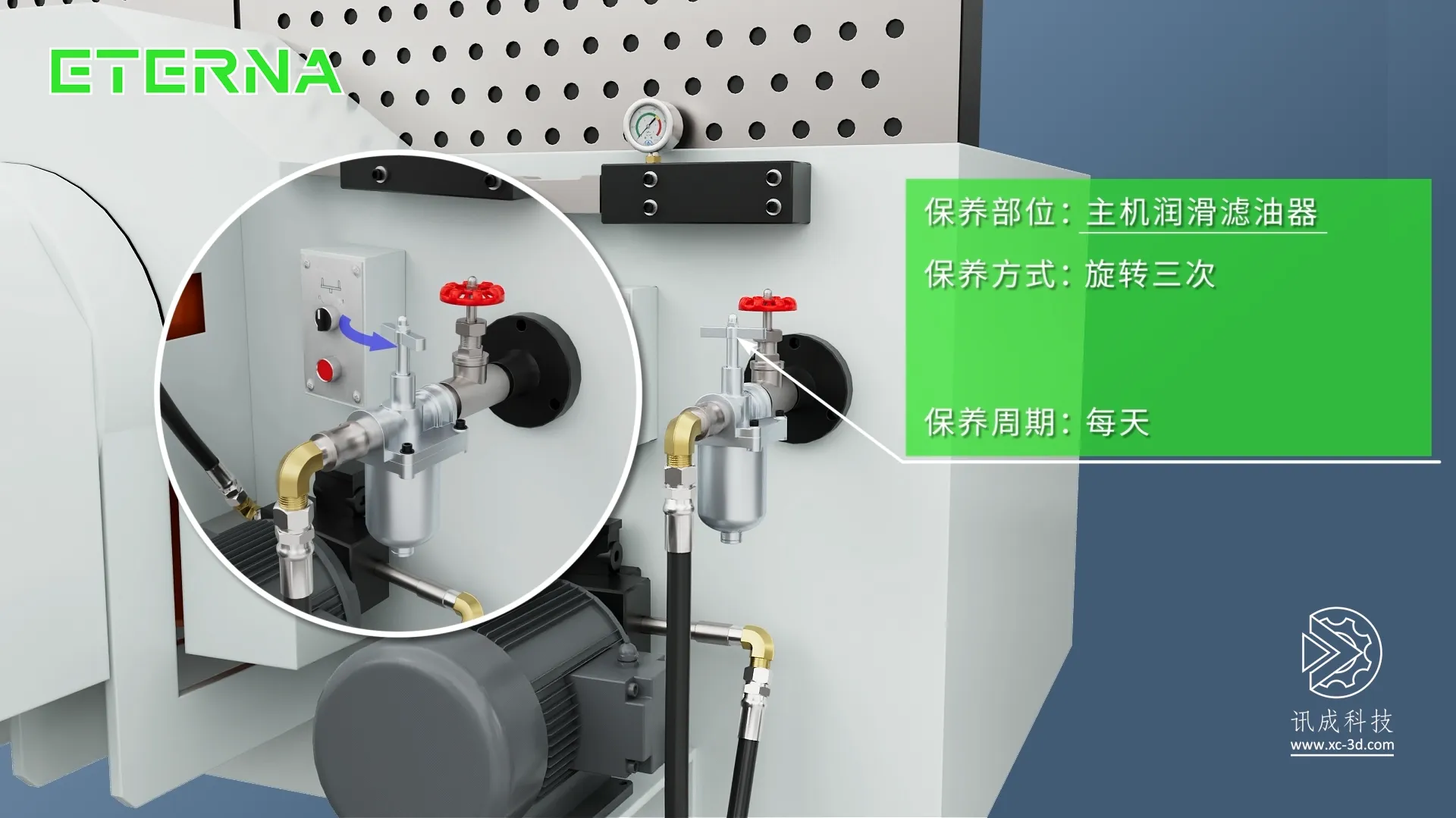
Shanghai Xuheng Precision Machinery Co., Ltd.'s die-cutting machine maintenance animation similarly transformed the star salesperson's most effective demonstration technique — "pushing in from the exterior to the maintenance point" — into a standardized visual. Red markers guiding the eye and small windows magnifying details are not a particular salesperson's on-the-spot improvisation; they are a standardized method of information delivery, permanently embedded in the animation. Any salesperson, experienced or not, simply has to press play, and the quality and pacing of the information the client receives remains consistent.
What the Animation Solidifies Is Not Just Content, but the Rhythm of Trust
A star salesperson's most valuable ability is often not the knowledge itself, but their sense of rhythm in building trust. They know when to pause, when to zoom in, and when to switch angles. This sense of rhythm is extremely difficult to transmit through written training, but it can be locked in permanently through animation.
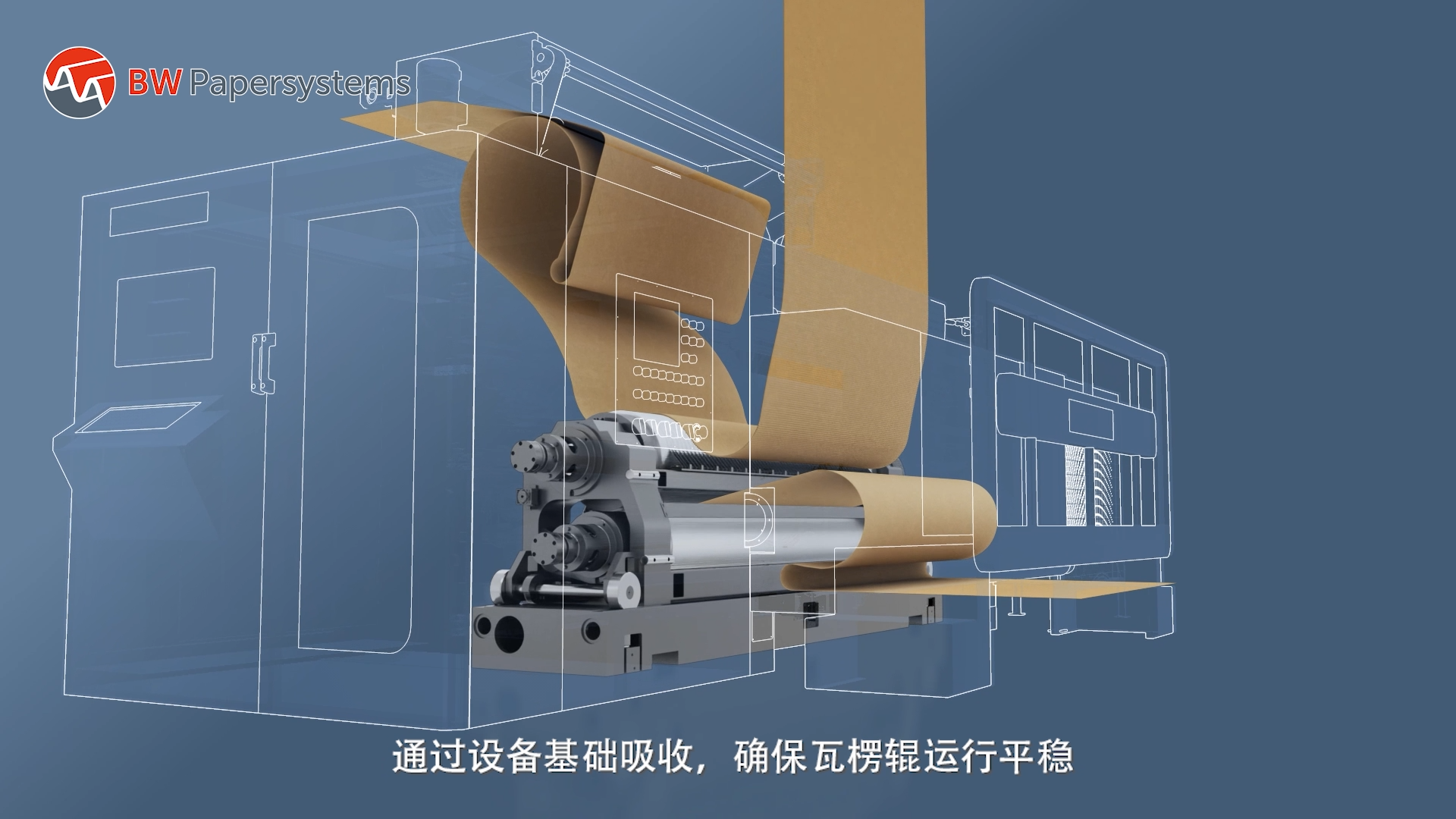
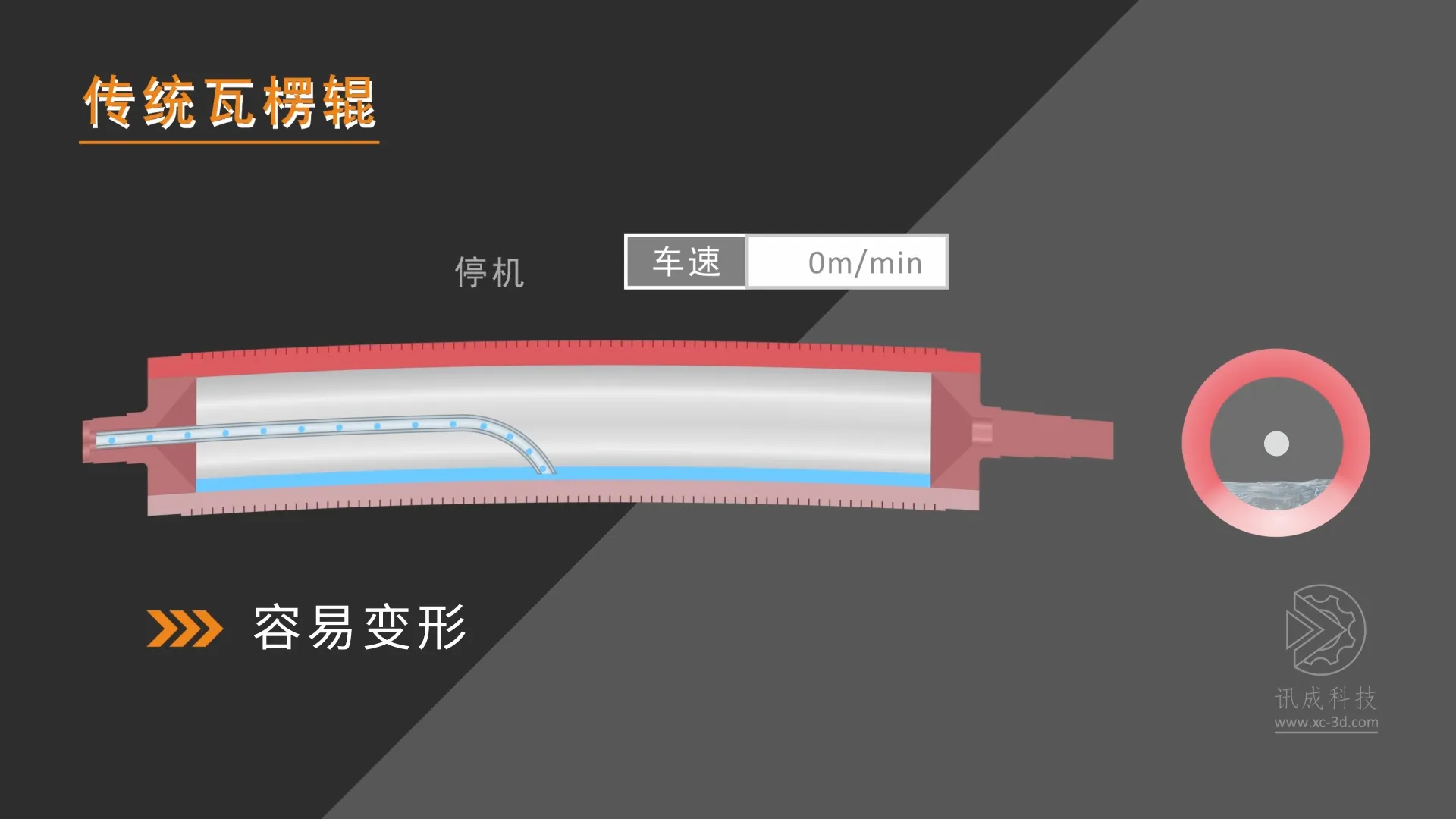
TIRUNA's peripheral heating corrugating roll animation — the sequence of the heat map comparison, the distribution of red and blue tones, the speed of scene transitions — every detail is the product of accumulated experience. A star salesperson knows exactly which second a customer's doubt is most likely to surface, and the animation delivers the answer at precisely that second. When TIRUNA's sales team plays this animation at exhibitions, customers walk over on their own, stop on their own, watch it through to the end on their own, and proactively start asking questions. The salesperson doesn't need to repeat a star salesperson's pitch; the animation has already orchestrated all the critical trust-building moments.
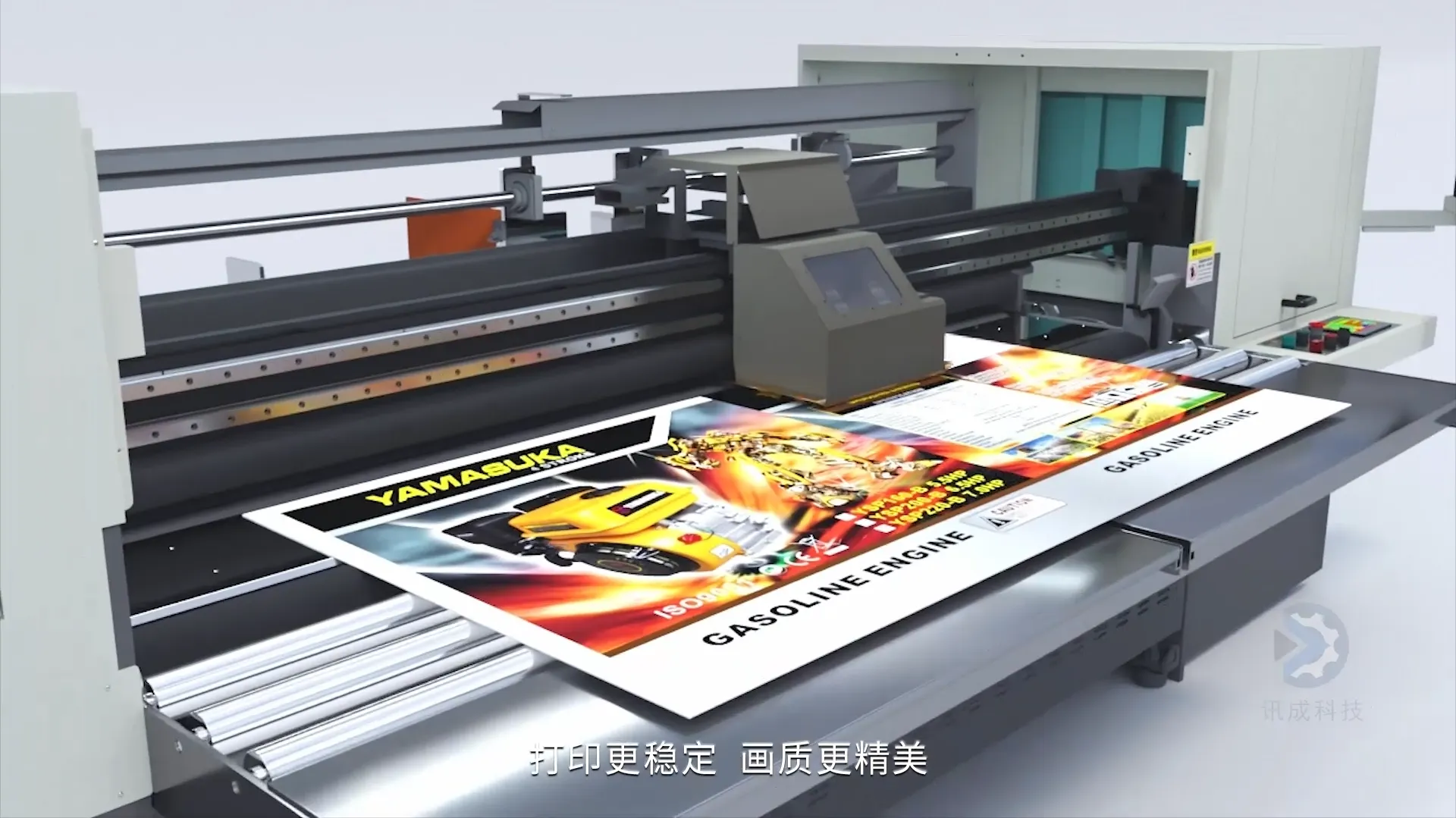
In Shenzhen Wande Digital Technology Co., Ltd.'s digital printing press animation, the entire sequence of camera language — from a full-machine push-in to a close-up of the printhead's micro-nozzles, from a transparent housing view to a slow-motion capture of ink droplets in flight — is itself a mature, polished sales script. A new salesperson only needs to understand the logic behind this script to deliver a high-level transfer of value in front of a client.
What a Departing Employee Can't Take Away Is Solidified Experience
Salespeople leaving is inevitable. But what's truly damaging is not the person walking out the door — it's the method and know-how disappearing right along with them. The existence of 3D animation reduces this risk of "experience drain" to the absolute minimum.
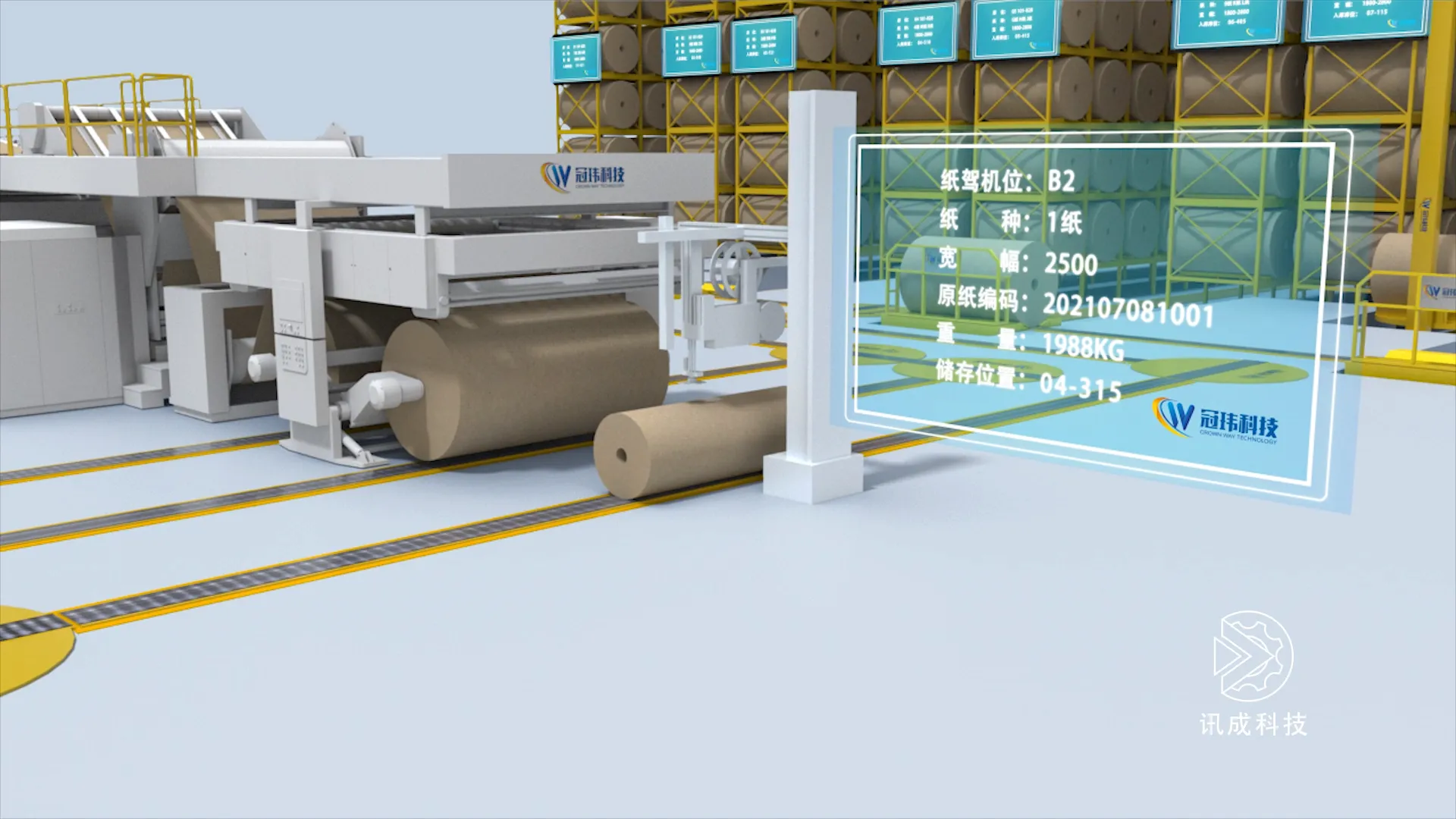
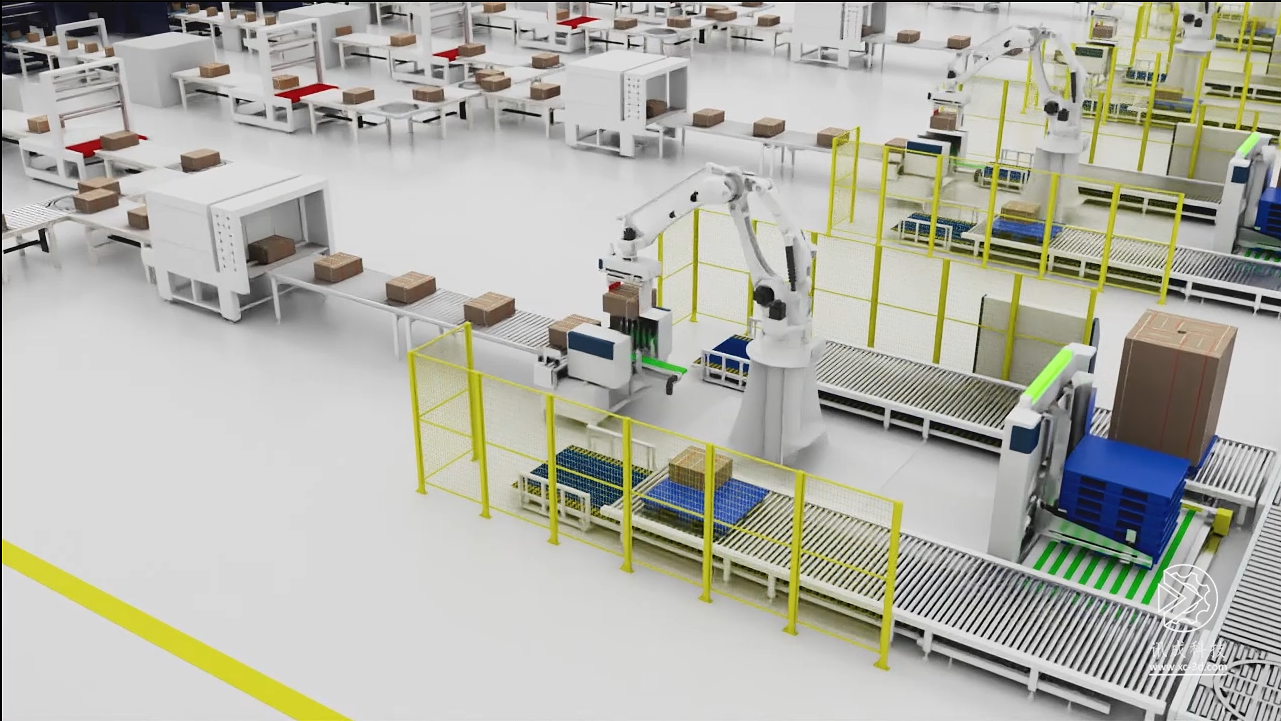
Guangdong Guanwei Intelligent Technology Co., Ltd.'s smart factory animation has solidified the experience of explaining the entire solution into the visuals. How the automated storage works, how logistics are dispatched, how the solution is implemented — all of this used to be content that the core salesperson would repeatedly explain to clients. Now it is all in the animation. Even if the salesperson who originally handled key account negotiations leaves, a new salesperson can simply open the animation and communicate with clients using the same approach, the same logic, and the same persuasive power.
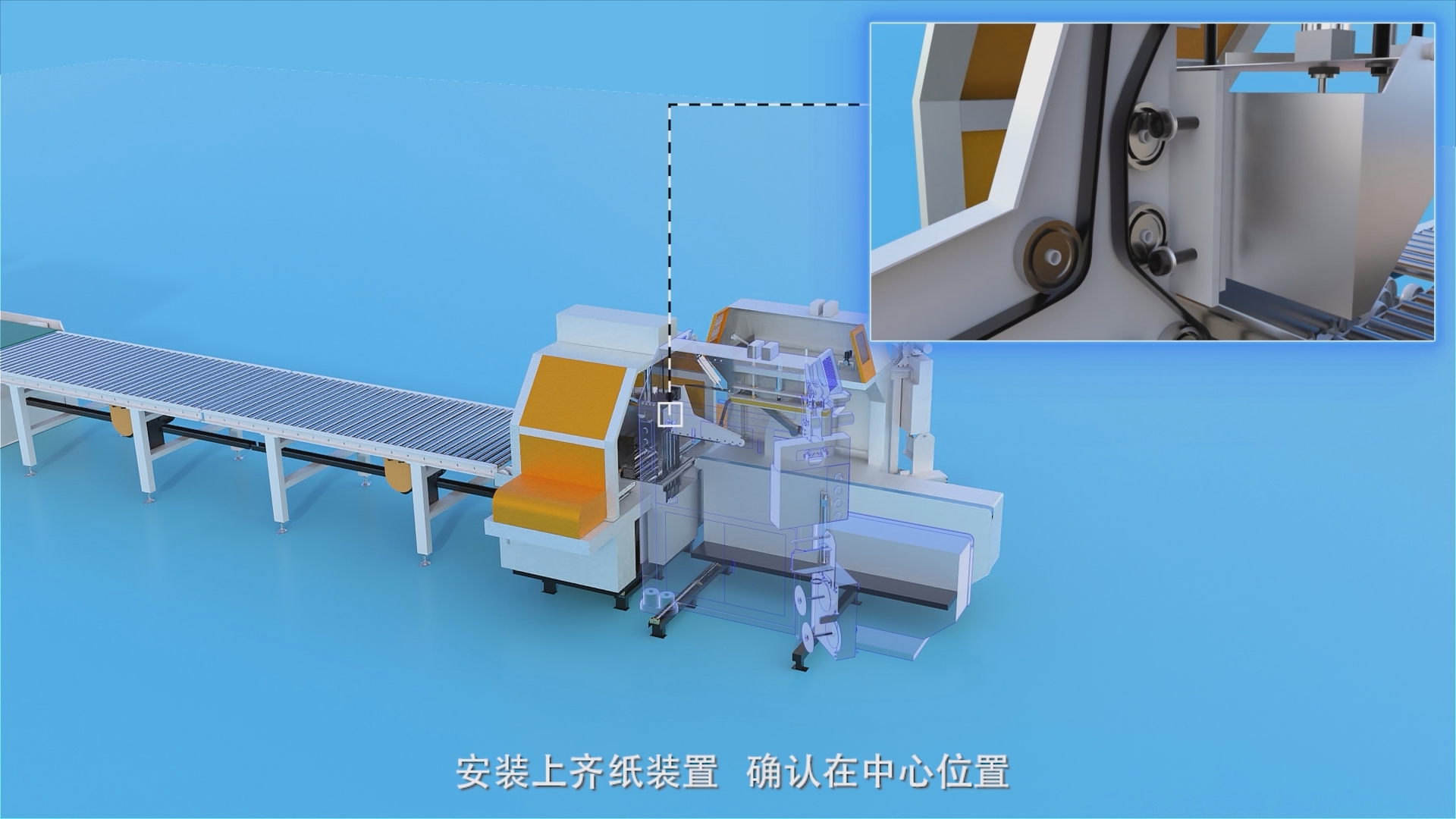
Guangdong Jinshun Automation Technology Co., Ltd.'s installation and troubleshooting animation has also solidified the communication experience from after-sales service. When a customer asks, "How do I install this equipment?" or "What should I do when a minor problem occurs?", the salesperson doesn't need to organize their own response — they simply send over an animation link. The customer's engineer completes the task while watching the animation, with results nearly identical to having a star salesperson guide them on-site.
The departure of a star salesperson should not be a hemorrhage for the company. What they take with them is just themselves; the experience in their head — if solidified into 3D animation — stays here forever. Every play, every demonstration, every link a customer opens is reusing the communication method that the departing salesperson excelled at the most. Companies no longer need to worry that "when people leave, the experience is gone," because the best experience has already been packed into the animation. A sales team may experience turnover, but the way trust is conveyed will never be interrupted by anyone's departure.
FAQ Highlights
Q: What can 3D animation videos bring to a business?
A: Generally speaking, 3D animation videos fall into three categories: promotional 3D animations, technical 3D animations, and demonstrative 3D animations.
Promotional 3D animations:
Better demonstrate equipment highlights (e.g., reproducing product or equipment usage scenarios; using transparency or hiding irrelevant structures to highlight key components), enable faster dissemination (instantly reachable no matter the distance), reduce reliance on experienced sales personnel; stimulate purchase desire and boost product sales. At the same time, they can shape a professional image for the company, establish a high-end brand image, and carry out brand communication and promotion in a more vivid way, thus enhancing the corporate image.
Technical 3D animations:
Include six major categories: equipment operation, equipment maintenance, equipment repair, replacement of wear parts, equipment installation, equipment assembly, and equipment safety. They effectively reduce after-sales service pressure, especially during the warranty period; effectively increase customer stickiness; and have become a superior marketing method.
Demonstrative 3D animations:
Mainly used for:
-
New factory planning: Replacing traditional CAD drawings with 3D animation demonstrations for more intuitive and precise evaluation of new plant layouts.
-
Project bidding: Replacing traditional PPT presentations with 3D animations to facilitate review and understanding by client leaders, giving a competitive edge.
-
Achievement reporting: As important material for achievement declarations, using 3D animations instead of traditional PPTs to make approval easier.
-
Employee training: Making training content easier to understand and master, improving training efficiency and effectiveness, and reducing training costs.
Q: In what settings can animation videos be distributed or shown?
A: Animation videos can be played in a variety of settings:
-
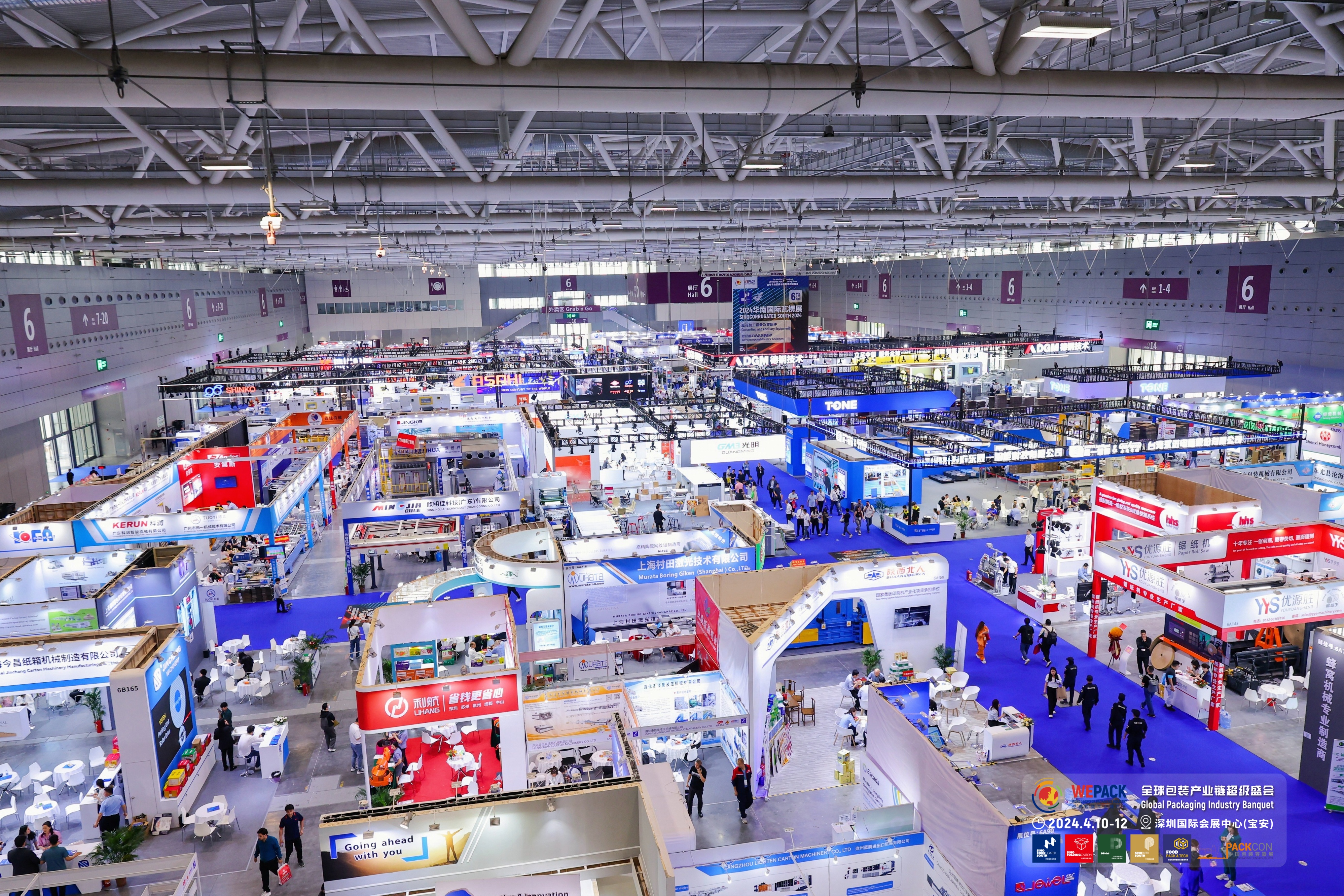
Exhibitions: Playing an animation video at an exhibition bustling with buyers can quickly capture clients' attention and facilitate in-depth conversations.
-
Client visits: It allows novice salespeople to get up to speed quickly. Even a new salesperson can engage in meaningful discussions with clients using the animation video.
-
Various platforms and official websites: Such as TikTok, WeChat Video Channel, Xiaohongshu, etc., to rapidly expand influence.
-
New factory planning: Moving beyond traditional CAD 2D demonstrations, using animation videos provides a more intuitive way to show whether the new factory layout is rational and well-planned.
-
After-sales service: Using animation videos to demonstrate equipment operation, maintenance, and repair is intuitive and easy to understand. It not only significantly reduces after-sales service costs but also helps increase customer stickiness.
-
Training and education settings: Animation videos are an important teaching tool, helping students and trainees understand and master knowledge more intuitively.
Q: What does the client need to prepare for animation video production?
A: The client needs to prepare the following materials:
-
3D model of the product or equipment (primary)
-
Video narration script (can be used as voiceover)
-
Company logo and information (such as full company name, address, contact details, website, etc.)
-
Requirements and objectives (determine theme and style, budget and duration, sort out key content)
-
Others (such as video script copy, company-specific opening and closing sequences, etc.)
About Xuncheng Technology
Founded in 2016, with 9 years of professional experience in industrial 3D animation, our clients span a wide range of enterprises, including startups, overseas-oriented businesses, listed companies, and foreign-funded enterprises. We specialize in creating 3D animations for mechanical equipment, high-tech, software development, and foreign trade companies. From product sales to after-sales maintenance, we provide one-stop creative services for industrial 3D animation.
We have delivered nearly 3,000 minutes of professional animation videos for over 200 manufacturing enterprises.
Whether at exhibition sites or during client visits; whether expanding into overseas markets or enhancing after-sales service, we firmly believe that through the power of design, we can present complex products and machinery in stunning 3D animations. This not only brings a unique visual experience to our clients but also quickly wins over their hearts.